
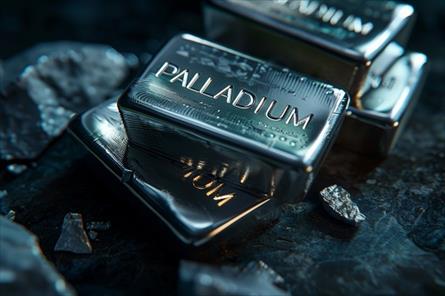
Testing Palladium at Home: A Guide to Determining Authenticity
Key Takeaways:
- Home tests may indicate that palladium is present in a precious metal, but they can’t guarantee authenticity or offer complete purity verification without confirmation from a professional.
- Jewelers, assay labs, and bullion dealers use high-tech tools like fire-assay strategies and XRF spectrometers that deliver legally recognized, precise results beyond what you can expect from a palladium at-home test.
- Proper documentation, professional palladium testing, and reputable sourcing can help you protect your palladium holdings, ensuring easier resale and long-term value.
Silver and gold are today’s go-to assets for investors looking to dabble in the world of precious metals.
But wait; there’s more.
While silver and gold are the most commonly admired precious metals, there are other valuable metals to consider. Palladium, a rare precious metal from the platinum family, offers numerous advantages for both investment and the purchase of products like jewelry and electronics.
Read on as the precious metals experts from First National Bullion and Coin, the palladium, silver, platinum, and gold dealers Scottsdale residents trust for outstanding knowledge, explain how you can determine the quality and purity of the precious metal at home using the methods below.
Acid Test
Due to its accuracy and simplicity, this is a popular at-home palladium testing method. The acid testing kit you buy should include instructions as well as testing stones and solution. Start by gently scratching or rubbing your palladium piece directly against the surface of the testing stone. The precious metal should leave a mark on the stone. If it doesn’t, you haven’t scratched it accurately. Once there’s a visible deposit, you can move on to the acid aspect of the test.
Changes occur as soon as the testing acid is dropped on the stone. The streak of the acid will determine the purity of your palladium. For example, if you don’t notice the palladium testing stone turning a yellowish-green color, there’s typically no palladium content, and the streak will completely fade away. However, a yellowish-green streak that remains or dissolves slowly indicates pure palladium.
Electronic Precious Metal Testers
While they may be pricey, electronic palladium testing devices are dependable and nondestructive. Simply follow the instructions and allow the technology to provide results within seconds.
The tester will measure the electrical conductivity of the palladium by passing a small electrical current through the precious metal. The way the current passes through will determine its authenticity. The electronic palladium testing device will measure the resulting resistance in relation to the known resistance standard for palladium to determine the purity level.
Iodine Test
Iodine has a unique reaction to palladium, which is why many people use this test at home. If palladium comes into contact with iodine, it will form palladium iodide, which is a black compound.
The steps are simple, as you only need to clean the surface of the metal you’re testing. Once all dirt and oils have been removed, apply a small drop of iodine to it and watch to see how the metal reacts. If it turns black, the presence of palladium is indicated.
Magnets
You can do palladium testing at home with a suitable magnet. It’s best to use a strong neodymium magnet to increase accuracy. The objective is to observe whether the magnet attracts the metal, and the desired result is for it to remain unattracted. If it is, you don’t have a pure piece of the precious metal, as palladium isn’t magnetic. This test alone isn’t conclusive, and you may need to use one of the other options mentioned above or speak with a professional to ensure you have a pure piece.
Shop First National Bullion Today
If you need advice on how to test palladium or you’re looking for the best place to purchase Scottsdale silver bars, gold coins, and other forms of precious metals, reach out to the trustworthy professionals at First National Bullion. In addition to offering high-quality bars and coins, we also provide services to help you invest your precious metals with a self-directed IRA or provide Brinks secure storage.
We can answer all your questions and help you find all the information you need on how precious metals can be great investments. Then, once you place your order, we’ll ship your order to your home, business, bank, or Brinks depository, whichever you choose. Give one of our experienced dealers a call today.
FAQ
Can at-home palladium testing determine my precious metal’s exact purity level?
No, a home test confirms whether there’s palladium in your asset, but it doesn’t confirm its purity level. Methods like magnet checks, acid testing, and iodine reactions offer yes-or-no indicators, but they’re not designed to measure purity percentages or identify alloy blends. You’ll need a fire-assay test or X-ray fluorescence to determine how pure an asset is, especially bullion that’s investment grade. These methods analyze a metal’s elemental composition, then provide accurate results for resale, certification, and insurance.
How can I avoid buying counterfeit palladium?
It’s rare to buy counterfeit palladium, although it’s still possible in online marketplaces or private sales, especially. Look for mint stamps, hallmarks, and serial numbers that match the known specs from a reputable refiner. Dimension and weight checks are critical as well, as palladium’s density is distinct, making it difficult for counterfeiters to replicate it. Request documentation like prior palladium testing results, invoices, and assay certificates to further protect yourself from counterfeit palladium. If you have any doubt about a palladium piece’s authenticity, have a professional test it before you buy it.
Does palladium’s look change with time?
Palladium is corrosion- and tarnish-resistant but may develop minor discoloration or surface dullness due to environmental exposure, oils, and dirt. These cosmetic alterations don’t affect a metal’s purity level. Still, they may influence home tests’ results, particularly those of acid or iodine tests, which require clean surfaces for reactions to be accurate. Regularly cleaning palladium pieces using non-abrasive cloths can help maintain their appearance and lead to more dependable palladium testing. Store palladium in an anti-tarnish package or a sealed container to preserve both its condition and a palladium test’s accuracy.
The statements made in this blog are opinions, and past performance is not indicative of future returns. Precious metals, like all investments, carry risk. Precious metals and coins may appreciate, depreciate, or stay the same in cash value depending on a variety of factors. First National Bullion does not guarantee, and its website and employees make no representation, that any metals for sale will appreciate sufficiently to earn the customers a profit. The decision to buy, sell, or borrow precious metals and which precious metals to purchase, borrow, or sell are made at the customer’s sole discretion.