
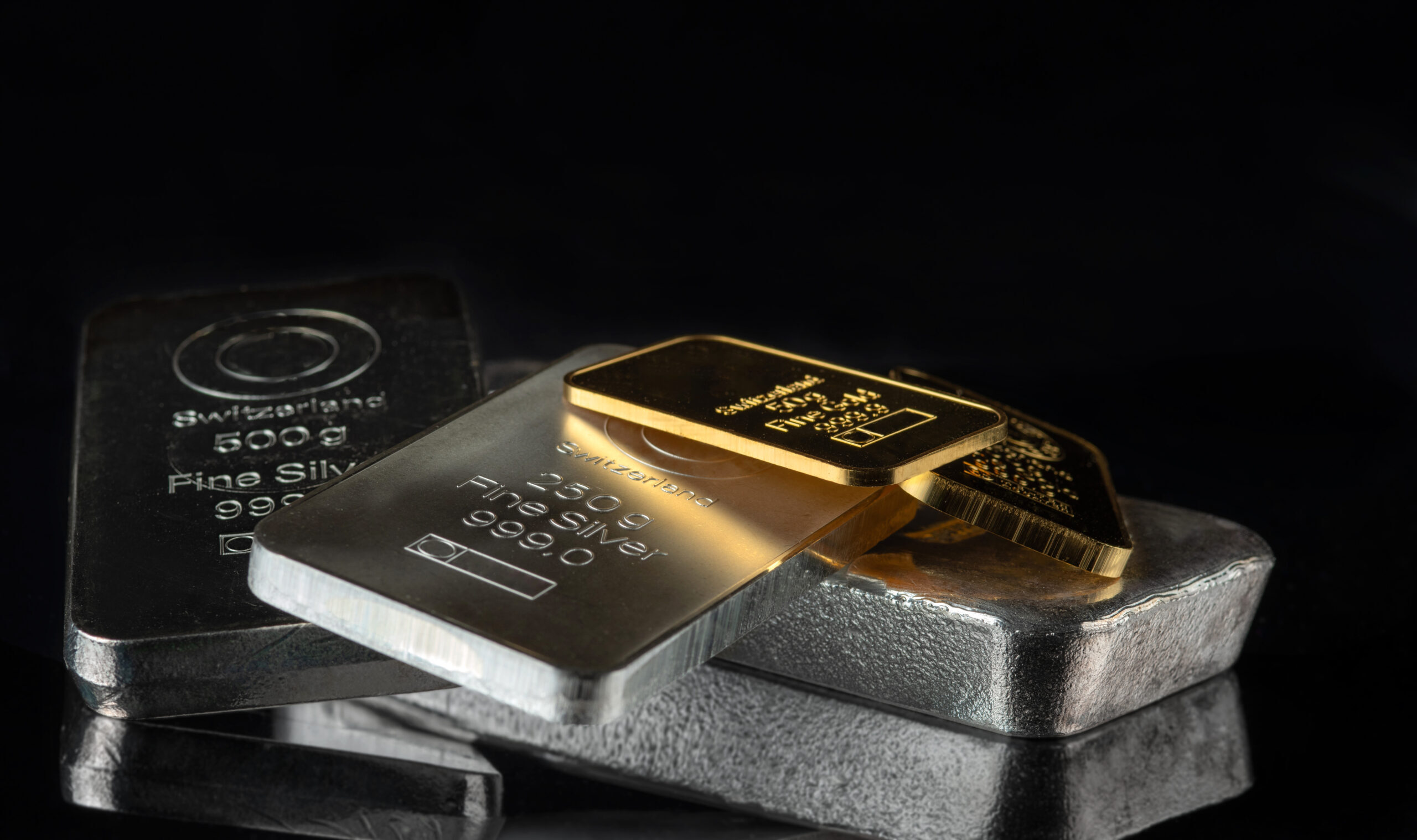
Can I Travel with Silver Bars on a Plane?
Key Takeaways
- You can bring silver on a plane in carry-on or checked baggage on domestic U.S. flights, since the TSA doesn't restrict precious metals.
- Yes, you can take silver on a plane through airport security without a special permit, though dense bars may trigger a manual bag check.
- You can fly with silver bars internationally too, but U.S. Customs and Border Protection requires a declaration on arrival regardless of value.
- Silver bars aren't classified as "monetary instruments" under federal law, so they don't trigger the $10,000 currency-reporting rule that applies to cash and traveler's checks.
Silver bars have become a common way to hold a tangible asset outside the banking system, and travel plans often follow the purchase. So can you bring silver on a plane? First National Bullion, a precious metals dealer serving investors since 2006, breaks down TSA screening rules, customs requirements, and a few packing habits that keep bars safe in transit.
Can You Bring Silver on a Plane? TSA Rules for Domestic Flights
Silver bars don't appear on the TSA's list of restricted or prohibited items, so they move through security in carry-on or checked baggage like any other solid object. No dollar-value declaration is required at a TSA checkpoint; that's a customs concept, not a screening rule. TSA's own guidance for valuables such as jewelry recommends keeping high-value items with you instead of in checked baggage. So yes, you can take silver on a plane through any domestic security line in the country.
Silver bars are dense, so they show up as solid shapes on an X-ray image and can prompt a manual bag check. That's routine, not a problem. Domestic flights involve no customs process at all, since customs only applies at international borders.
Can You Fly With Silver Bars Internationally? Customs Rules to Know
Customs rules change the moment your flight crosses a border. Anyone arriving in the U.S. with silver bars acquired abroad must declare them to a CBP officer on Form 6059B, regardless of the dollar amount.
Silver bullion still enters duty-free. Unwrought silver bars and dore classified under HTS 7106.91.10 carry a general duty rate of "Free," per the U.S. International Trade Commission's Harmonized Tariff Schedule. The $10,000 threshold that requires a FinCEN Form 105 filing applies to currency and other "monetary instruments," as CBP defines the term. Silver bars don't meet that definition, so they don't force a Form 105 filing on their own, though CBP still requires you to declare them as merchandise.
So can you fly with silver bars internationally? Yes, but plan on a short conversation with a CBP officer on arrival. If you're leaving the U.S. instead, check the destination country's own rules before departure, since requirements for declaring precious metals vary by country and can carry different duty rates than U.S. law.

5 Tips for Traveling With Silver Bars
Here's what matters if you plan to fly with silver bars on an upcoming trip.
- Keep Silver Bars in Your Carry-On: Checked bags get lost, delayed, or opened, and airline liability for checked baggage is capped well below what a stack of silver bars is worth.
- Bring Proof of Purchase: A receipt or invoice showing where the bars came from speeds up any conversation with a screening officer.
- Pack a Protective, Non-Metallic Case: A padded case keeps bars from shifting or scratching and reads clearly on an X-ray scan.
- Check the Weight: A 100-ounce silver bar weighs about 6.8 pounds, and a 1,000-ounce bar tops 62 pounds, numbers worth checking against your airline's carry-on and checked baggage limits.
- Ship Larger Holdings Instead: For bulk silver, insured shipping to a depository or your home often makes more sense than carrying it through an airport.
Together, these habits answer whether you can bring silver on a plane or take silver on a plane without a hassle at either end of the flight.
Store or Ship Silver Bars With First National Bullion
First National Bullion has served collectors and investors since 2006, with five retail locations across California and Arizona and a nationwide online storefront. Orders of $199 or more ship free, and every shipment is insured and requires a signature on delivery.
Every order leaves the building packaged under camera security and double-checked for accuracy, whether it's a few travel-ready coins or a bulk holding routed to a Brinks depository. Explore our silver bar collections to find bars sized for travel or storage, or read more about how to store precious metals safely.
The statements made in this blog are opinions, and past performance is not indicative of future returns. Precious metals, like all investments, carry risk. Precious metals and coins may appreciate, depreciate, or stay the same in cash value depending on a variety of factors. First National Bullion does not guarantee, and its website and employees make no representation, that any metals for sale will appreciate sufficiently to earn the customers a profit. The decision to buy, sell, or borrow precious metals and which precious metals to purchase, borrow, or sell are made at the customer's sole discretion.
Frequently Asked Questions
Do airlines have their own rules if you fly with silver bars?
Airline policies on valuables can differ from TSA rules, and some carriers limit how much a passenger can carry in a personal item. Confirm the specific policy before departure.
Can a TSA officer ask to open your bag if you take silver on a plane?
Yes. A TSA officer can request additional screening on any bag with an unusual X-ray image, including one packed with dense metal bars. Cooperating quickly keeps the line moving.
Does silver bullion get taxed differently from silver jewelry at customs?
Investment-grade bullion bars typically classify under HTS 7106.91 and enter duty-free, while silver jewelry and tableware fall under different tariff codes that can carry duty rates from about 3 to 13.5 percent, depending on the item.
What happens if you don't declare silver bars at customs?
Failing to declare merchandise acquired abroad, including bullion, can lead to seizure and civil penalties, even when no duty was owed on the item itself.
Should you buy travel insurance for silver bars?
Standard airline liability rarely covers a stack of silver bars at full value. Many investors rely on insured shipping or dealer-provided storage instead of travel insurance for larger holdings.