
Gold Bar Sizes and Prices: A Guide to Weights and Costs
Key Takeaways
- Gold bars are available in gram, troy-ounce, and kilogram denominations.
- One troy ounce equals approximately 31.1035 grams, compared to 28.35 grams in a standard ounce.
- Smaller bars allow buyers to purchase and sell gold in smaller amounts but generally carry higher premiums per ounce.
Gold bar prices depend on weight, purity, spot price, and dealer premiums.Retail gold bars start at 1 gram, while wholesale Good Delivery bars typically contain around 400 fine troy ounces. Bar weight affects purchase price, premiums, and how easily you can sell part of your holdings. Understanding gold bar sizes and prices helps buyers compare the amount of gold received and the total cost.
What Sizes Do Gold Bars Come In?
Common retail weights include 1, 2.5, 5, 10, 50, and 100 grams, along with 1 troy ounce, 10 troy ounces, and 1 kilogram. Larger Good Delivery bars are primarily used in wholesale bullion transactions.
Precious metals are measured in troy ounces rather than standard ounces. According to the London Bullion Market Association (LBMA), one troy ounce equals approximately 31.1035 grams.
Use the weight conversions below to compare gold bars sizes and prices when sold in grams, ounces, and kilograms.
Gold Bar Weight Comparison Chart
|
Gold bar weight |
Approximate troy ounces |
Purchase category |
|
1 gram |
0.032 |
Fractional retail |
|
2.5 grams |
0.080 |
Fractional retail |
|
5 grams |
0.161 |
Fractional retail |
|
10 grams |
0.322 |
Fractional retail |
|
1 troy ounce |
1 |
Standard retail |
|
50 grams |
1.608 |
Midrange retail |
|
100 grams |
3.215 |
Midrange retail |
|
10 troy ounces |
10 |
Larger retail |
|
1 kilogram |
32.151 |
Larger retail |
|
Good Delivery bar |
Around 400 |
Wholesale settlement |
Conversions are rounded. Good Delivery bars contain between 350 and 430 fine troy ounces of gold, and their gross weight varies.
Small Size Gold Bars and Prices: 1 to 10 Grams
Fractional bars weighing 1, 2.5, 5, or 10 grams allow buyers to purchase physical gold without paying for a full troy ounce.
Gold bars of most sizes come in protective assay-card packaging identifying the refiner, weight, and purity. Packaging varies by manufacturer and doesn't independently guarantee authenticity.
Smaller bars generally carry higher premiums per ounce because manufacturing and packaging costs are distributed across less metal.
A 1-gram bar may have a lower purchase price but a higher premium per ounce than a larger bar.
One-Ounce Gold Bars
A 1-troy-ounce bar weighs approximately 31.1 grams. It's a common gold bar retail size with prices that are more accessible. They’re available from established refiners in both minted and cast formats.
Minted bars typically have smooth finishes and uniform edges. Cast bars are produced by pouring molten metal into molds and often have less uniform surfaces.
One-ounce bars make dealer premiums easier to compare because they share the same nominal weight. Buyers should still check each bar's purity.
Owning several one-ounce bars also lets buyers sell individual bars instead of their entire holdings.
Compare bars with the same purity and check whether listed prices include additional fees.
50-Gram and 100-Gram Gold Bars
Buyers comparing gold bar sizes and prices should calculate the cost per fine troy ounce rather than relying exclusively on the listed purchase price. A 50-gram gold bar weighs approximately 1.608 troy ounces, while a 100-gram bar weighs approximately 3.215 troy ounces.
At equivalent purity, both contain more fine gold than a one-ounce bar but generally cost less upfront than a comparable 10-ounce bar. The size a gold bar comes in doesn’t always equate to value or purity.
10-Ounce and Kilogram Gold Bars
A 10-troy-ounce gold bar weighs approximately 311.035 grams, while a kilogram weighs 1,000 grams, equivalent to approximately 32.151 troy ounces.
These larger gold bar sizes have higher upfront prices. Buyers should also consider storage arrangements and dealer buyback terms.
A single 10-ounce bar is generally sold as one unit. Someone holding ten separate one-ounce bars, however, can sell individual pieces.
For larger purchases, factor in transaction fees, storage costs, and resale terms.
How Big Is a 400-Ounce Gold Bar?
The London Good Delivery gold bar is commonly described as a 400-ounce bar. These bars are used primarily in wholesale bullion markets rather than ordinary retail purchases.
According to the LBMA Good Delivery specifications, qualifying gold bars must contain between 350 and 430 fine troy ounces, with a minimum purity of 995 parts per thousand, or 99.5%.
Buyers comparing wholesale gold bars sizes and prices should use fine gold content rather than gross weight to calculate metal value.
Their nominal measurements are approximately:
- Length: 250 millimeters
- Width: 70 millimeters
- Height: 35 millimeters
The LBMA allows specified variations in these measurements. A bar's gross weight can differ from its fine gold content because Good Delivery bars aren't necessarily pure gold.
How Are Gold Bar Prices Calculated?
Comparing the sizes gold bars come in and their prices requires looking at weight, purity, spot price, and dealer premiums.
Gold Weight, Purity, and Spot Price
The spot price represents a market reference price for one troy ounce of gold.
To estimate a bar's metal value, multiply its weight in troy ounces by its purity, expressed as a decimal, and then by the current spot price per troy ounce of fine gold.
For example, a one-ounce bar marked .9999 contains approximately 0.9999 fine troy ounces of gold.
Understanding Dealer Premiums
Dealers charge premiums above the metal's underlying value to cover refining, manufacturing, distribution, and operating costs.
Premiums vary based on product availability, manufacturer, and market demand.
When comparing gold bar sizes and prices, consider the premium per fine troy ounce and the total amount payable. Applicable taxes, shipping charges, insurance, and storage fees may affect the final cost.
Do Gold Bar Dimensions Affect Value?
Gold bars come in varied sizes, even when they have the same volume and weight. The length, width, and thickness of a gold bar depend on its weight, manufacturer, and production method. Two bars containing identical amounts of gold may have different physical measurements.
For example, a cast bar may be shorter and thicker than a minted bar of equal weight.
A bar's dimensions alone don't determine its gold value. Weight and purity establish its fine gold content, while dealer premiums affect its selling price.
Buyers should also verify the stated weight, purity, manufacturer, and seller's reputation before choosing specific gold bar sizes and comparing prices. Appearance alone doesn't establish authenticity.
How to Choose the Right Gold Bar Size
Consider your budget, storage options, and plans for selling before choosing a bar size.
Smaller bars allow purchases in increments and provide more flexibility for selling individual pieces. Larger bars may carry lower premiums per ounce but require more capital upfront.
Store gold in a secure location and consider insurance against theft or loss.
First National Bullion provides information about Brink's precious metals storage for buyers considering professional depository services. Before purchasing, review current pricing, product specifications, and dealer buyback terms.
Compare Gold Bar Sizes and Prices at First National Bullion
First National Bullion has served precious metals buyers since 2006, offering physical bullion through its online store and retail locations. Explore First National Bullion's gold bars for sale to compare available weights, refiners, and current premiums.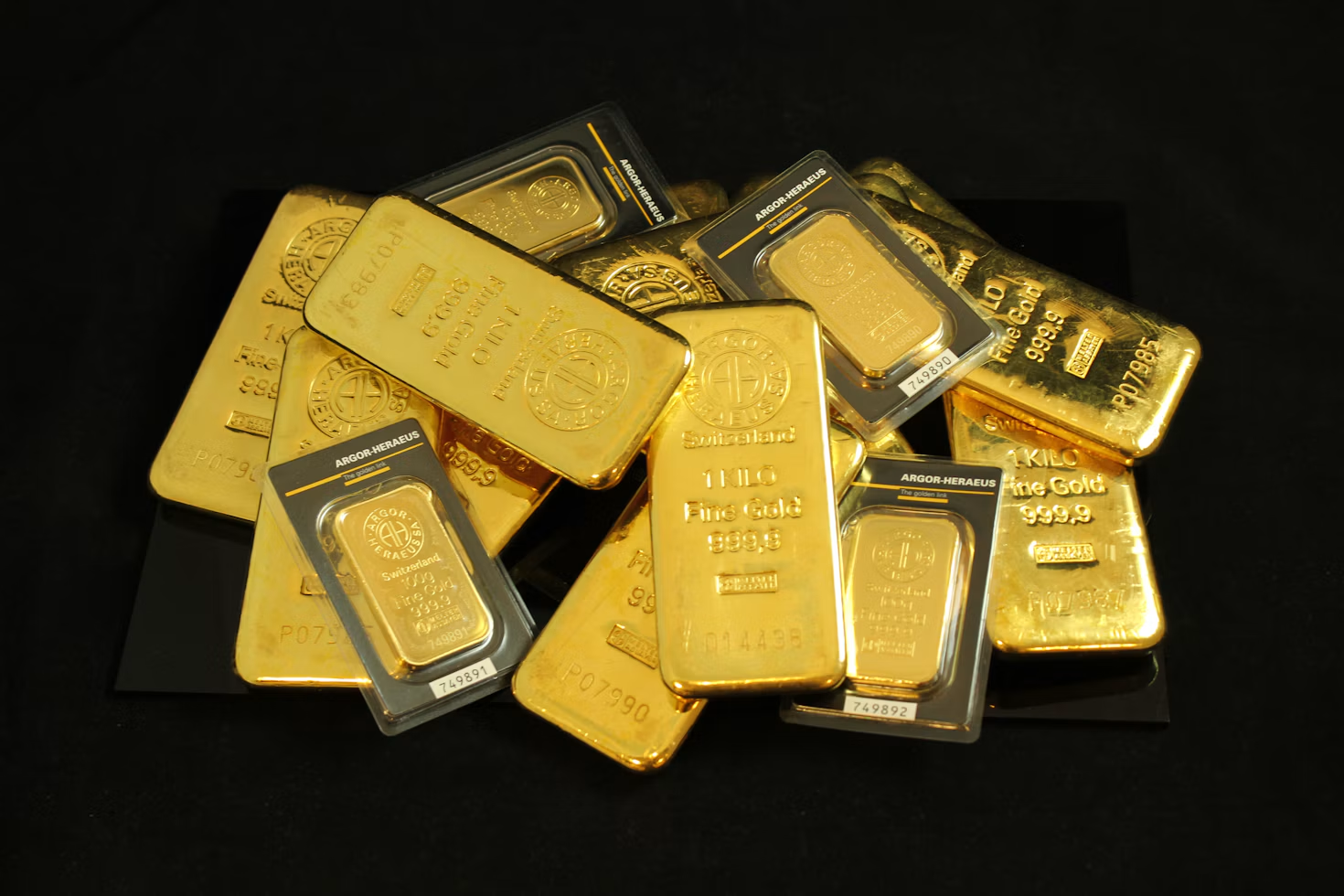
Frequently Asked Questions
What sizes do gold bars come in for retail buyers?
Retail gold bars commonly weigh 1, 2.5, 5, 10, 50, or 100 grams, along with one-ounce, ten-ounce, and kilogram denominations. Available sizes depend on the manufacturer and dealer.
Are larger gold bars cheaper per ounce?
Larger bars generally carry lower premiums per ounce than fractional bars. However, gold bar sizes and prices vary depending on the refiner, dealer, product availability, and market conditions.
How much does a standard gold bar weigh?
There is no single standard weight across all markets. One troy ounce, or approximately 31.1 grams, is a common retail size. London Good Delivery bars typically contain around 400 fine troy ounces.
Can I sell part of a gold bar?
Gold bars are generally sold as complete units. Holding several smaller bars allows buyers to sell individual pieces rather than liquidating an entire larger holding, subject to dealer terms.
Disclaimer: This article is for educational purposes only and does not constitute financial advice. Precious metals prices fluctuate, and holdings may increase or decrease in value.