
Gold vs. Silver: Which Melts Faster & Why It Matters for Refining
Key Takeaways:
- Pure gold melts at a higher temperature than pure silver.
- Silver reaches its melting point at a lower temperature, but melting time also depends on mass, shape, heat input, and other conditions.
- Refining uses chemical processes to separate precious metal from impurities.
- Alloy composition affects melting behavior, so jewelry, sterling silver, and other mixed-metal products may not behave like pure gold or silver.
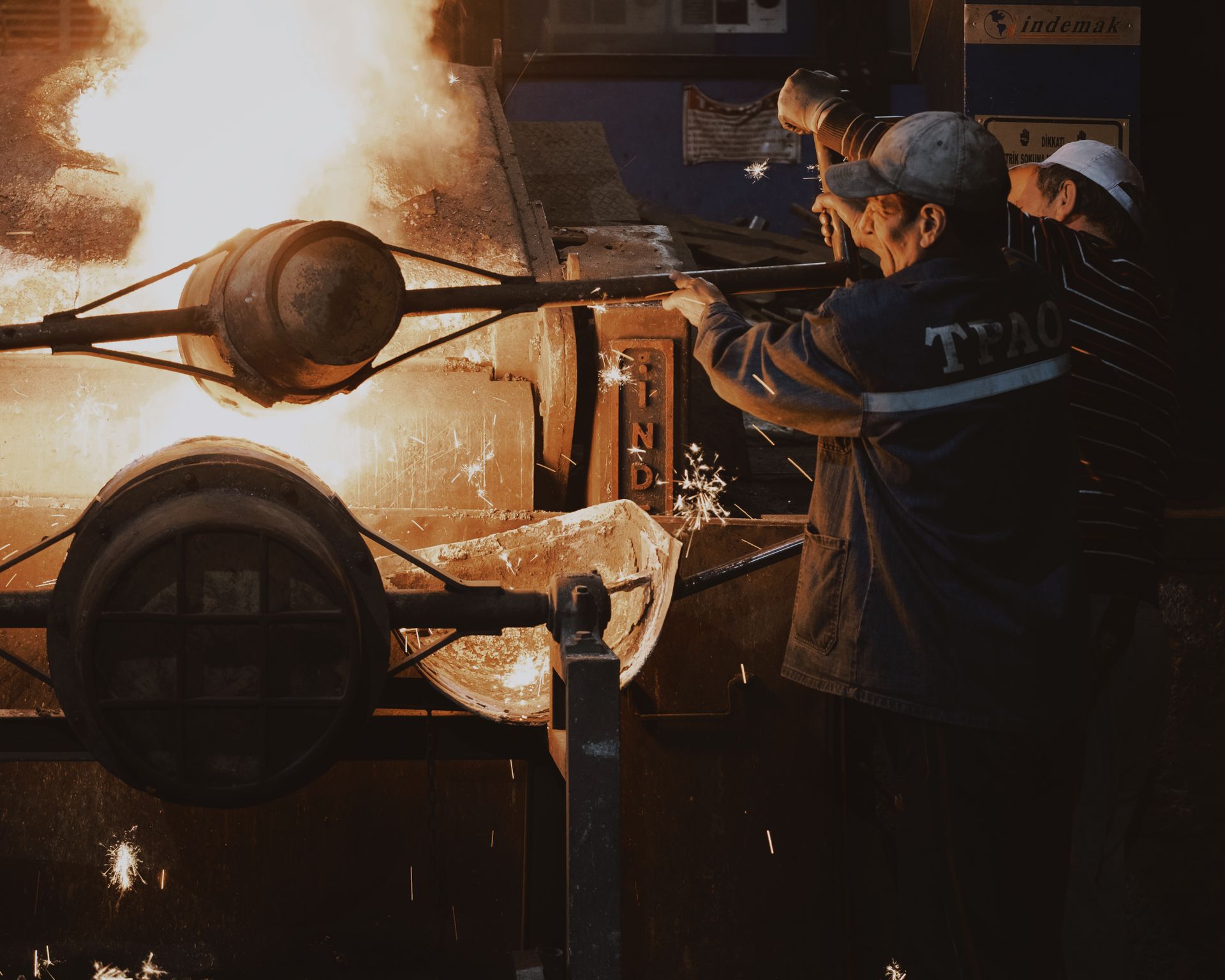
Gold and silver respond differently to high temperatures. The melting point of gold is more than 100°C higher than that of pure silver, a difference that matters when precious metals are melted, cast, or processed during refining.
That does not mean every silver object will melt faster than every gold object. Temperature is only part of the equation. The amount of metal, its composition, its shape, and the heat delivered by the furnace also determine how quickly it reaches a liquid state.
Melting Point Of Gold Vs. Silver
The melting point of gold is approximately 1,064.18°C, or 1,947.5°F. The National Institute of Standards and Technology uses 1337.33 K as the gold fixed point for temperature measurement.
So, at what temperature does silver melt? Pure silver melts at approximately 961.78°C, or 1,763.2°F. That puts its melting point about 102.4°C below gold's.
|
Metal |
Approximate Melting Point |
|
Pure gold |
1,064.18°C / 1,947.5°F |
|
Pure silver |
961.78°C / 1,763.2°F |
Jewelry, sterling silver, scrap metal, and other alloys contain additional metals that change how the material behaves as it is heated.
Does Silver Melt Faster Than Gold?
Under the same heating conditions, silver reaches its melting point before gold because its melting temperature is lower. The melting point of gold, however, does not tell you exactly how long a particular bar, coin, or other piece will take to become liquid.
Mass matters. So do surface area, starting temperature, furnace output, heat transfer, and the metals present in an alloy.
That distinction separates silver's melting temperature from the amount of time required to melt a specific piece. Melting point is a physical property. Melting time depends on the material and the conditions under which it is heated.
Purity And Alloys Affect Melting Behavior
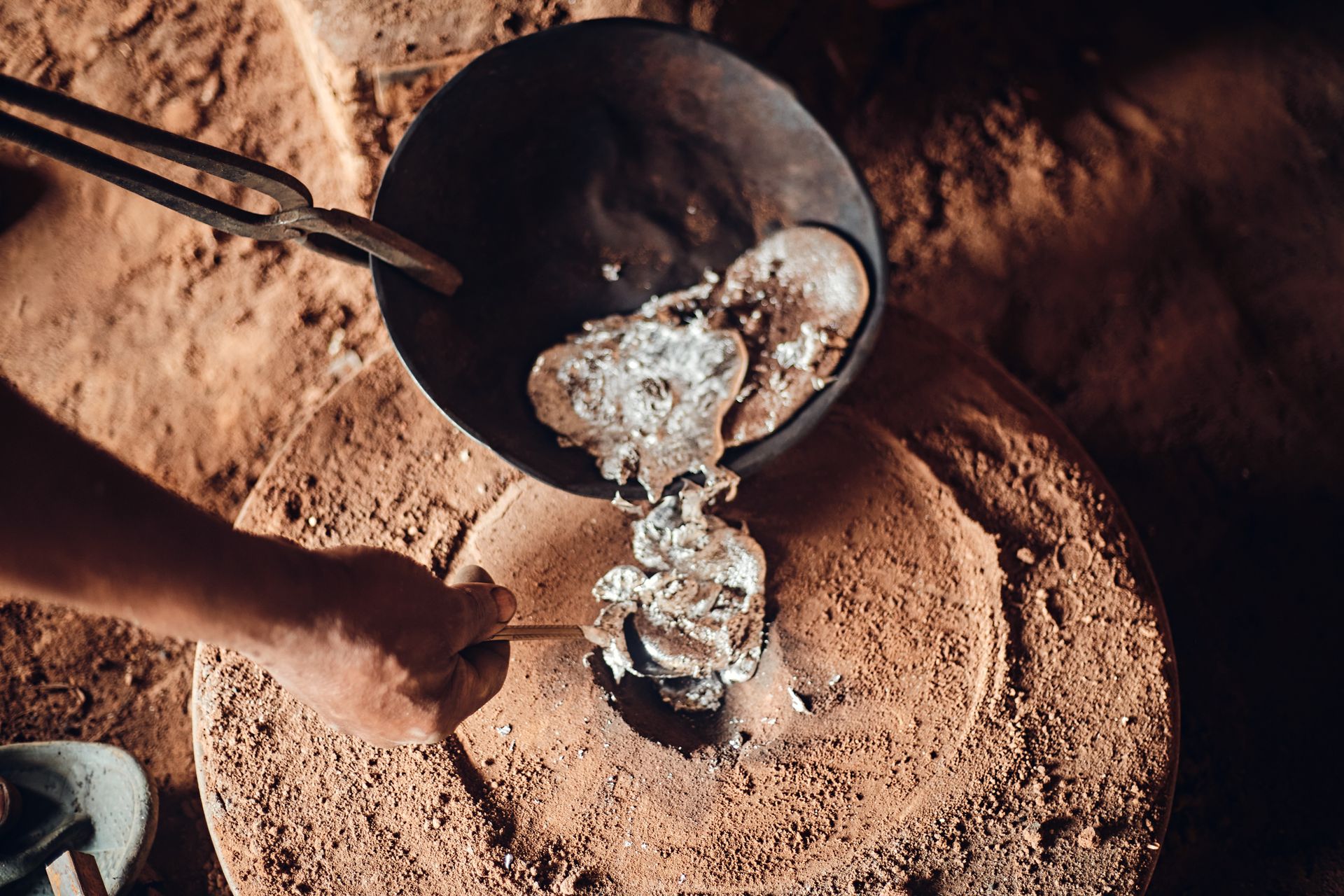
Gold and other pure metals have defined melting points under controlled conditions. Alloys can behave differently because they contain two or more metals.
Sterling silver, for example, contains silver combined with other metals rather than pure silver alone and changes the temperature at which it melts. Gold alloys can contain silver, copper, or other materials depending on their fineness and intended use. Instead of changing from solid to liquid at one sharply defined temperature, an alloy can pass through a melting range.
Understand that checking the melting point of gold should not be used as a stand-alone test of gold purity. Professional precious-metal testing relies on multiple methods designed to identify composition, not simply observations of how a sample behaves in a furnace.
For more background on how bullion products are classified, see First National Bullion's guide to the difference between bullion, coins, and numismatics.
Melting And Refining Are Different Processes
Melting changes a metal from a solid to a liquid. Refining changes its composition by separating precious metal from unwanted material. The processes can be connected, but they are not interchangeable.
Knowing the melting point of gold establishes the temperature required for processes involving liquid gold. It does not describe all the chemical or electrochemical steps involved in refining.
Refining processes include patented chlorine gas and electrolysis treatments that sift impurities out of gold samples.
Why Melting Temperature Matters During Processing
Temperature control allows a refiner to keep metal within the range needed for a particular operation. If the process requires liquid gold, the metal has to reach its melting temperature and receive enough heat to complete the phase change.
The same principle applies to silver and the temperature it melts at. A refiner must bring pure silver to approximately 961.78°C before it reaches its melting point. Equipment, crucibles, heat sources, and surrounding materials all have to be suited to those temperatures.
After refining, precious metals may also be melted for casting into forms used in later manufacturing or bullion production. The melting point of gold or silver is therefore a processing property, not a measure of how the market will value it.
Current market prices depend on separate supply, demand, and trading factors. First National Bullion provides precious metal price charts for investors who want to follow gold, silver, platinum, and palladium prices.
Precious Metal Melting Requires Proper Safety Controls
Gold and silver melting temperatures are high enough to cause severe burns. Refining can introduce additional hazards from molten material, acids, gases, fumes, and other substances, depending on the method being used.
Moisture is another concern around molten metal because contact can cause rapid steam generation and violent splashing. Industrial operations require equipment, ventilation, protective gear, training, and procedures suited to the particular process.
Knowing the melting temperatures of gold and silver is not enough to refine either metal safely. Precious-metal melting and chemical refining should be handled by people with appropriate facilities, equipment, and training.
Frequently Asked Questions
What is the melting point of gold?
The melting point of gold is approximately 1,064.18°C, or 1,947.5°F. This figure applies to pure gold under standard reference conditions.
At what temperature does silver melt?
Pure silver melts at approximately 961.78°C, or 1,763.2°F. Silver alloys can soften and melt across a different temperature range because they contain additional metals.
Which has a higher melting point, gold or silver?
Gold has a higher melting point. Pure gold melts at a temperature approximately 102.4°C higher than pure silver.
Does melting gold make it more pure?
No. Melting changes gold from a solid to a liquid but does not, by itself, remove every impurity. Refining requires additional chemical, thermal, or electrolytic processes to separate unwanted materials.
Can you determine gold purity from its melting point?
Melting behavior can provide information about a material, but it is not a practical stand-alone test of gold purity. Precious-metal testing methods are designed to determine composition more directly.
Understanding Gold And Silver Beyond Melting Point
For investors, these physical properties provide useful background rather than a reason by themselves to choose one metal over another. First National Bullion provides educational resources for researching physical precious metals and their role in an investment portfolio.
Pure silver has a lower melting point than pure gold. The difference is straightforward, but actual precious-metal processing depends on more than a single temperature. Composition, quantity, heat input, equipment, and refining method all affect what happens during processing.
If you are considering selling metals you already own, learn more about First National Bullion's precious metals buyback process.
Disclaimer
The statements made in this blog are opinions, and past performance is not indicative of future returns. Precious metals, like all investments, carry risk. Precious metals and coins may appreciate, depreciate, or stay the same in cash value depending on a variety of factors. First National Bullion does not guarantee, and its website and employees make no representation, that any metals for sale will appreciate sufficiently to earn the customers a profit.
The decision to buy, sell, or borrow precious metals and which precious metals to purchase, borrow, or sell are made at the customer's sole discretion.