
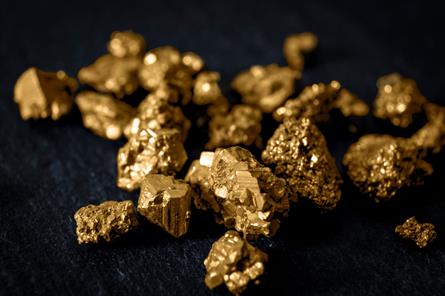
Understanding Precious Metals Refining: Methods & Benefits
Key Takeaways
- Refining draws impurities from metals to produce material with a known level of purity.
- The starting material, required purity, and refinery process decides how gold is refined.
- The Miller and Wohlwill processes are two established commercial refining methods.
- Refining supports accurate purity measurements, standardized bullion production, and the recovery of precious metals from reusable material.
Precious metals rarely move directly from a mine or recycled product into a finished bullion bar. They first undergo processing that separates the desired metal from other materials and brings it to a specified purity. Understanding how gold is refined explains why purity, assay results, and refinery standards matter when evaluating physical bullion.
So, how are metals refined before they become bullion? There isn't one method for every metal or feedstock. Refiners select processes based on what is being refined and the purity required in the final product.
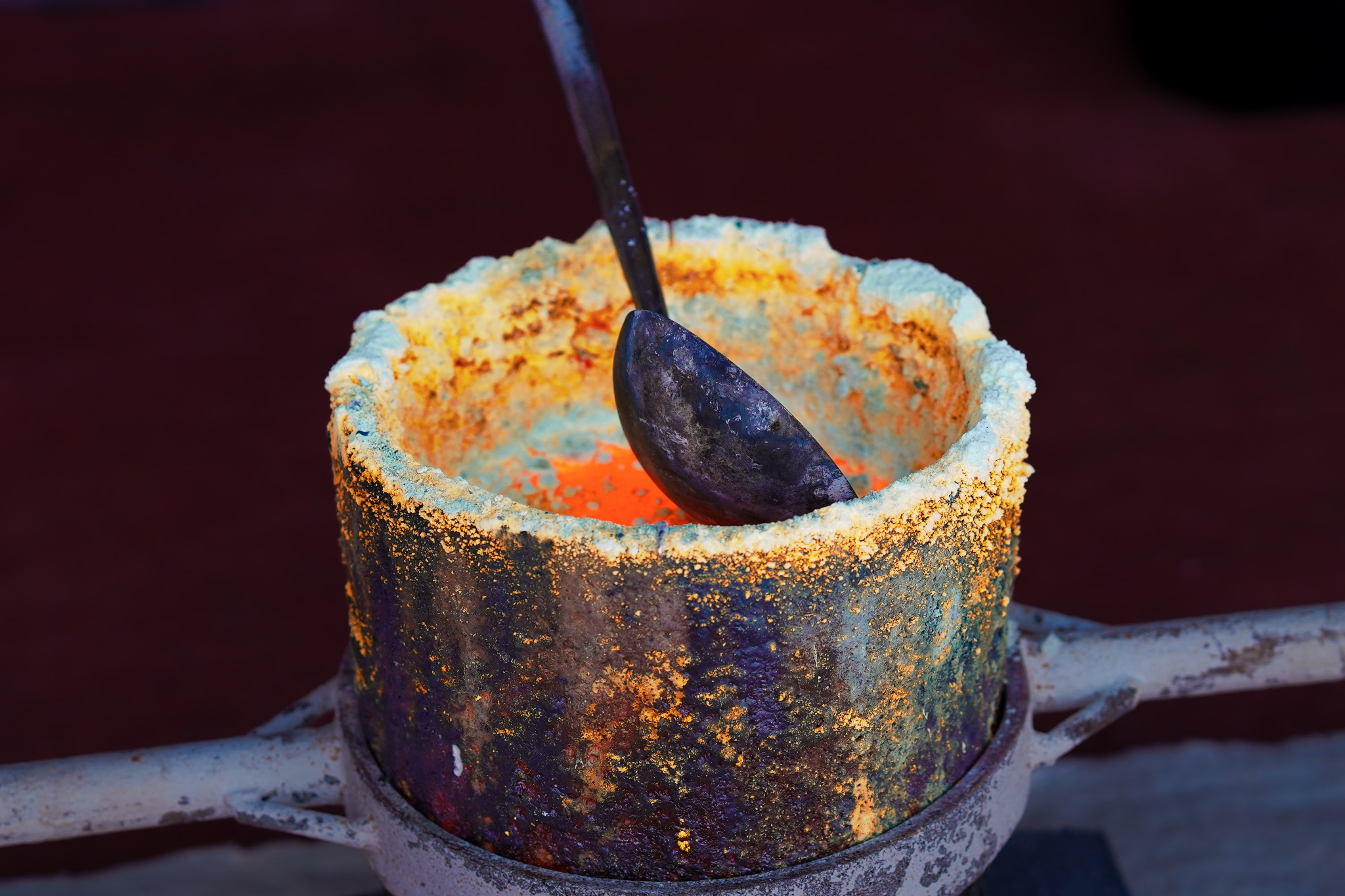
What Does Precious Metals Refining Do?
Processes in how metals are refined range depending on the types of metals and the intended goal. Gold entering a refinery may arrive as doré, a partially refined alloy containing gold, silver, and other metals, or as recycled material that needs to be separated and purified. The U.S. Geological Survey identifies molten-state chlorination and electrorefining as established methods used at gold refineries.
This step differs from the earlier extraction and processing involved in mining precious metals. Producers decide how gold is refined after valuable metal has already been concentrated enough for further purification.
How Gold Is Refined With the Miller Process
The Miller process uses chlorination. Molten impure gold is exposed to chlorine, which reacts more readily with many of the unwanted metals. Those impurities form chlorides that can then be separated from the gold. Geoscience Australia lists chlorination as one of the refining processes used for gold.
The London Bullion Market Association notes that the Miller process is useful for refining bullion but doesn't efficiently produce the same high-purity output available through the Wohlwill process. It also doesn't effectively separate platinum from gold.
For someone learning how gold is refined, the Miller process shows why refining isn't just melting. Heat places the material in a workable state, while the chemical reaction separates specific impurities.
Electrorefining With the Wohlwill Process
The Wohlwill process takes a different approach to how metals are refined. Gold-bearing material serves as an anode in an electrolytic system. Gold dissolves into a chloride solution and is deposited onto a cathode as much purer metal. Geoscience Australia describes this electrochemical transfer as a standard gold-refining method.
Commercial refiners can use the Miller and Wohlwill processes in sequence. USGS documentation describes gold being recovered from doré through the Miller process and/or electrorefining through the Wohlwill process.
When buyers ask how gold is refined to high purity, electrorefining is an important part of the answer. The method gives refiners greater control over which material remains in the finished gold.
Chemical Refining With Aqua Regia
Aqua regia is another established gold-refining route. Instead of treating molten metal with chlorine or transferring gold through an electrolytic cell, this chemical process dissolves gold so it can be separated from unwanted material and recovered from solution. Geoscience Australia identifies aqua regia alongside chlorination and electrolytic refining as a process used for gold.
Professional refiners choose how gold is refined according to the feed material, required purity, equipment, and recovery process.
How Are Metals Refined When Gold Isn't the Main Material?
Gold isn't the only precious metal that requires refining. Silver also undergoes purification before it becomes products such as silver bullion. Platinum and palladium belong to the six platinum-group elements, metals with related physical and chemical properties that commonly occur together.
So how are metals refined when dealing with silver, platinum, or palladium? The specific sequence changes with the material. Electrolytic, chemical, and thermal separation methods can be selected according to the metals present and the required finished purity. The shared objective is straightforward: separate the desired precious metal from other material and verify what remains.
Why Precious Metals Refining Matters
Knowing how gold is refined makes bullion purity markings easier to understand. Refining removes unwanted material so the amount of precious metal in a bar, coin, or other product can be measured and stated consistently.
Established bullion markets use defined purity specifications. The LBMA Good Delivery standards, for example, set a minimum fineness of 995.0 parts per thousand for Good Delivery gold bars and 999.0 parts per thousand for silver bars. Those specifications also require identifying marks such as the refiner's stamp and stated fineness.
Refining also allows precious metal contained in suitable recycled material to return to productive use. It doesn't create additional gold or guarantee that refined material will rise in market value. This is how gold is refined with a known composition that can be assayed, formed, traded, or manufactured to a stated specification.
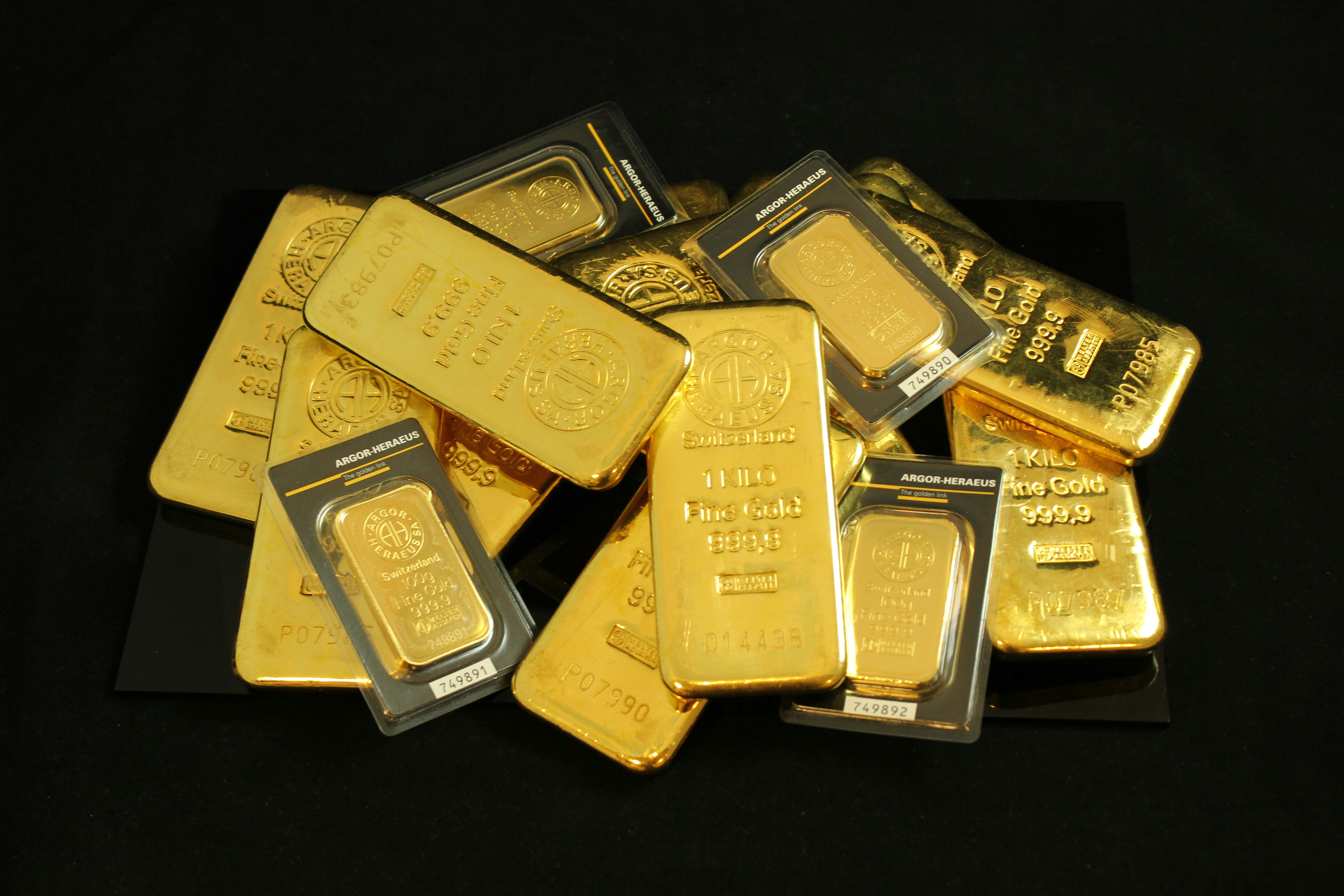
How Is Gold Refined to a Verified Purity?
Refining and testing work together. A refinery needs to know what material it starts with and what the finished product contains. Assaying provides that measurement.
For the London Good Delivery system, LBMA requires gold refiners to demonstrate the ability to assay material across the applicable fineness range. Its technical specifications also require Good Delivery bars to show their fineness and refiner identification.
That connection between refining and assay is central to understanding how gold is refined for the bullion market. Purification changes the material; testing documents the resulting purity.
From Refined Gold to Physical Bullion
First National Bullion offers physical gold bullion and other precious metals for buyers who prefer tangible assets. You can also learn about precious metals storage or review First National Bullion's selling process when researching how physical metals are bought, held, and resold.
This article is provided for informational and educational purposes only and isn't financial advice.