
Where Can You Find Palladium in Ordinary Items?
Key Takeaways
- Palladium is used for emissions control in catalytic converters more than any other job, and it also goes into electronics, jewelry, dental alloys, and chemical production.
- Everyday items with palladium go from car exhausts to white gold rings.
- Medicine and environmental science both use palladium (from prostate cancer radiation seeds to groundwater cleanup work).
- First National Bullion sells physical palladium bullion to those who wish to hold the metal.
What is palladium used for? Primarily cleaner exhaust. The USGS lists catalytic converters as the dominant domestic use of the platinum group metals, and U.S. recyclers recovered an estimated 50,000 kg of palladium from scrapped auto converters in 2025 alone.
Palladium uses in everyday life also reach the capacitors in your phone, the porcelain crown at your dentist’s office, and the white gold ring on your hand. First National Bullion has been a precious metals dealer since 2006 and sells physical palladium alongside gold, silver, and platinum.
What Contains Palladium: Quick Reference
|
Item |
How palladium is used |
|
Car exhaust system |
Catalyst inside the catalytic converter |
|
Phones, computers, and appliances |
Electrodes in some capacitors |
|
White gold and palladium rings |
Alloy metal that adds a white color |
|
Porcelain dental crowns |
Part of metal-ceramic alloys |
|
Prostate cancer treatment |
Palladium-103 radiation seeds |
|
Hydrogen purification equipment |
Membrane that filters hydrogen |
|
Pharmaceutical manufacturing |
Catalyst for joining carbon atoms |
Catalytic Converters Are the Largest Users of Palladium
Palladium's biggest job is under your car. Inside the catalytic converter, palladium (usually in conjunction with rhodium) catalyzes the reactions that convert the hydrocarbons, carbon monoxide, and nitrogen oxides in the exhaust into water, carbon dioxide, and nitrogen, respectively.
Gas engines moved from platinum to palladium as palladium has historically been cheaper (USGS). Emissions control is the short answer to what palladium is used for.
Palladium in Electronics and Capacitors
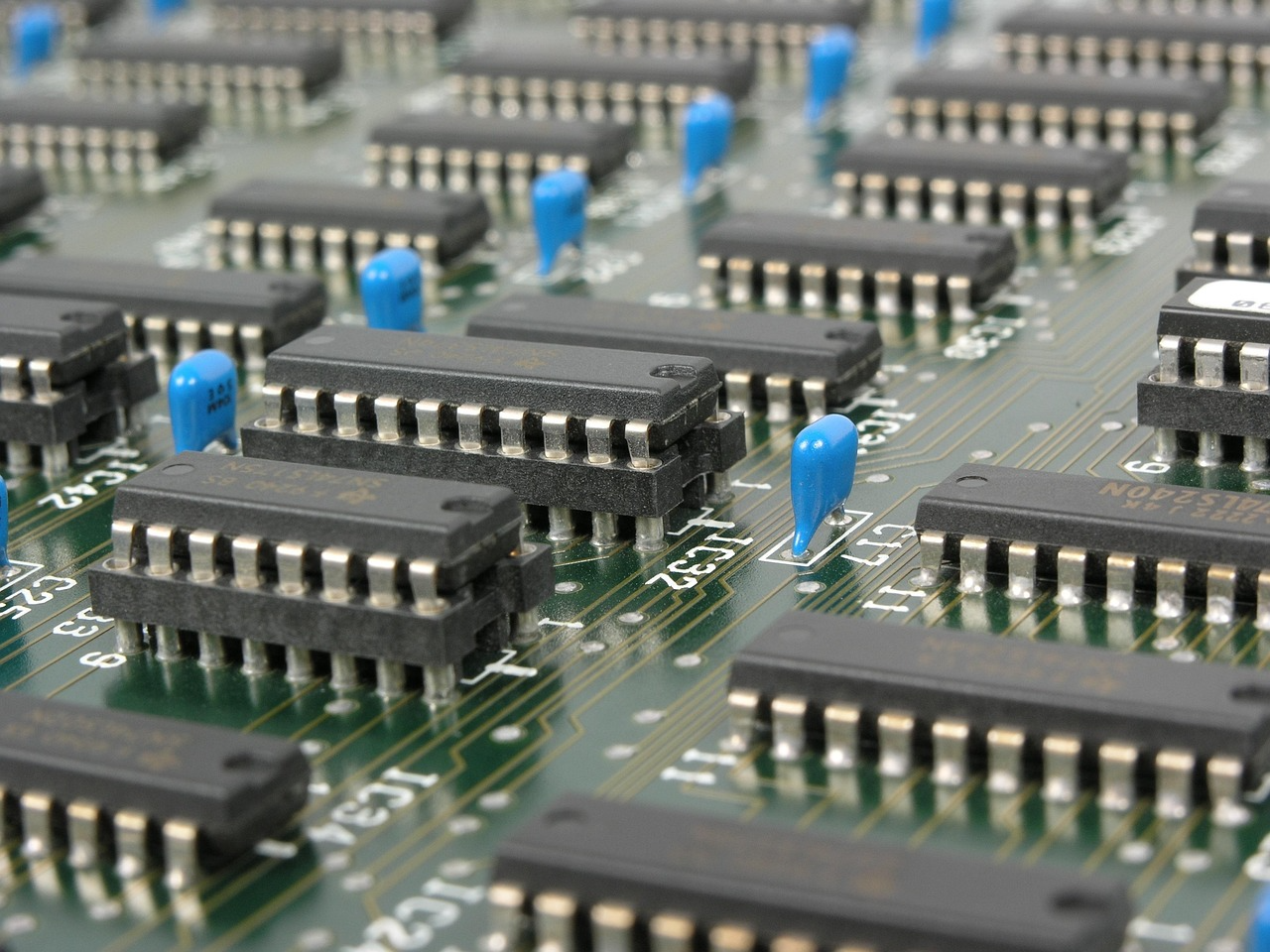
Electronics are another answer to what palladium is used for (mainly in multilayer ceramic capacitors (MLCCs)). These are chip capacitors, which store and release charge, and the USGS lists them as one of the electronic uses of the PGMs.
In 1998, EE Times called palladium the single largest raw-material cost in MLCCs. Murata had already switched to base-metal electrodes, and Kemet was preparing a base-metal line, so the amount varies by device and manufacturer.
Palladium in Jewelry and White Gold
Of all palladium uses in everyday life, jewelry is the one people wear. Jewelers sell it as 950 palladium, an alloy that is 95% palladium and isn’t alloyed with nickel or cobalt, Rapaport reports.
A jewelry-industry Q&A on Ganoksin compares palladium with platinum on two points:
- Color: both metals are naturally white and need no rhodium plating.
- Weight: palladium alloys have a density of about 12 g/cm³, compared with about 21 g/cm³ for platinum alloys.
Jewelers also alloy palladium into gold to make white gold. For more on the metal’s place in jewelry, read The Rarity of Palladium in Jewelry.
Palladium in Luxury Watches
Watchmakers use palladium the same way. Rolex says its 18 ct white gold is made from yellow gold, palladium, and other elements.
Palladium in Dental Alloys
Dentistry is another use of palladium. Dentists use palladium alloys in metal-ceramic restorations, which are crowns and bridges with porcelain fused over a metal frame.
A 1985 review in Dental Clinics of North America found palladium-based alloys cost less than gold-based alloys for this work. If you have a porcelain-fused-to-metal crown, ask your dentist which alloy it contains.
Palladium in Cancer Treatment
Palladium-103 is a radioactive isotope used in brachytherapy, a radiation treatment that places small sealed seeds inside or next to a tumor. The seeds are commonly used for prostate cancer, and palladium-103 loses half its radioactivity every 17 days, according to a Scientific Reports study.
Natural palladium consists of six stable isotopes. Palladium-103 isn’t one of them, and bullion is made from natural palladium.
Palladium in Hydrogen Purification
Palladium lets hydrogen pass while blocking other gases. Researchers at the U.S. Department of Energy’s Ames Laboratory describe the conventional setup: an alloy of 73% palladium and 27% silver drawn into tubes about 3 mm wide and 20 feet long.
Impure hydrogen is pumped into the tubes. The H atoms diffuse through the walls and are picked up on the other side, with the impurities coming out the other end. The fuel cells require pure hydrogen, and this step provides it.
Palladium in Chemical Manufacturing
Palladium acts as a catalyst to accelerate chemical reactions without itself being consumed in the process. The 2010 Nobel Prize in Chemistry was awarded to Richard Heck, Ei-ichi Negishi and Akira Suzuki for their work on palladium-catalysed cross coupling, whereby carbon atoms come together on a palladium atom and form a bond.
The Royal Swedish Academy of Sciences have pointed out that the method is used all over the world in research and in the actual commercial production of pharmaceuticals and electronic molecules. That's what palladium is used for in a drug plant really: to join carbon atoms.
Palladium in Groundwater Treatment
EPA-funded research at Stanford University tested a palladium-on-alumina catalyst against trichloroethylene (TCE), a solvent that contaminates groundwater. In laboratory tests with hydrogen present, 97% of the TCE was converted to ethane with no detectable chlorinated byproducts, according to the EPA project summary. Rice University, Stanford, and DuPont later field-tested a palladium-gold catalyst against TCE, vinyl chloride, and chloroform, as reported by Environment + Energy Leader.
Properties That Explain Palladium’s Uses
Palladium is the least dense and lowest-melting of the platinum metals, and it melts at 1,554.9 °C (2,830.8 °F). English chemist William Hyde Wollaston isolated it from crude platinum in 1803 and named it for the asteroid Pallas.
Catalytic activity, tarnish resistance, and hydrogen permeability account for most palladium uses in everyday life.
Palladium Bullion From First National Bullion
First National Bullion sells physical palladium bullion to customers who want the metal itself rather than a digital or paper claim on it. Orders over $199 ship free. All shipments are insured and require your signature, and orders can be delivered to your home, your business, your bank, or to a depository like Brink's.
Because most palladium is used in industrial products, buyers should know what it is used for before they buy. Read what drives palladium prices, learn how to identify a palladium coin, and test palladium at home once your order arrives.
Summary of Palladium Uses
Catalytic converters take the most palladium, but everyday uses of palladium also include your phone, your dentist’s chair, and your jewelry box. Explore First National Bullion’s palladium collection to hold the metal itself, or compare strategies for investing in palladium first. Stay informed by signing up for the First National Bullion newsletter.
[Explore Palladium Bullion]
Frequently Asked Questions
Where does palladium come from?
Russia and South Africa are the leading producers of mined palladium. The USGS puts Russia's 2025 mined output at 84,000kg and South Africa's at 70,000kg (out of a total global mined output of 190,000kg). Between 2021 and 2024 South Africa accounted for 37% of U.S. palladium imports and Russia 36%. Further information on the source of U.S. palladium is available.
What is palladium used for in a smartphone?
Smartphones contain MLCCs and some of the capacitor designs do in fact use palladium in the electrodes. With so many manufacturers having switched over to base metal electrodes the amount varies from device to device.
Do electric vehicles use palladium?
Battery electric vehicles have no combustion exhaust and therefore don't have a catalytic converter. Hybrids do still burn fuel and do still use palladium for emissions control (according to Mining.com).
Is palladium radioactive?
No. As per Britannica, natural palladium has six stable isotopes and bullion is derived from that. The radioactive isotope palladium-103 (used in cancer treatment seeds) is a different substance.
Can you buy physical palladium?
Yes, First National Bullion sells physical palladium bullion, and their palladium collection lists what's available. Palladium prices are subject to market conditions and this article is for educational purposes only and should not be regarded as financial advice.
The statements made in this blog are opinions, and past performance is not indicative of future returns. Precious metals, like all investments, carry risk. Precious metals and coins may appreciate, depreciate, or stay the same in cash value depending on a variety of factors. First National Bullion does not guarantee, and its website and employees make no representation, that any metals for sale will appreciate sufficiently to earn the customers a profit. The decision to buy, sell, or borrow precious metals and which precious metals to purchase, borrow, or sell are made at the customer’s sole discretion.