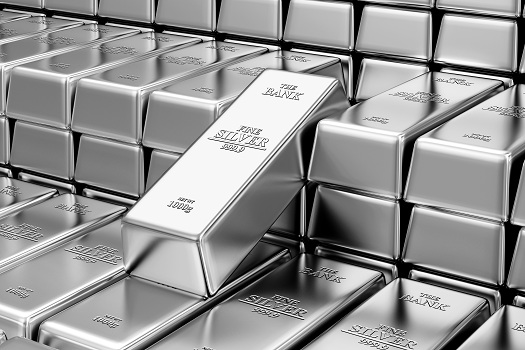
How Much Is a Silver Bar Worth? Prices, Sizes, and Value
A silver bar's underlying metal value depends on its weight, purity, and current silver spot price. Dealer premiums affect its retail selling price. A 1-ounce bar and a 100-ounce bar may have the same purity, but their total silver content and market values differ.
Silver prices change throughout the trading day. This guide compares historical prices from 2021 with an illustrative $50.04-per-ounce silver price and explains how to calculate your bar's current metal value.
Key Takeaways
- Silver bar value depends primarily on weight, purity, and the current spot price.
- One troy ounce equals approximately 31.1035 grams.
- Larger silver bars generally carry lower dealer premiums per ounce.
- Retail prices and resale offers may differ from underlying metal value.
- First National Bullion's live pricing charts provide updated silver prices.
How Much Is a Silver Bar Worth by Weight?
Silver bars come in gram, troy-ounce, and kilogram denominations. Common retail sizes include 1, 10, and 100 troy ounces.
Most investment-grade silver bars are marked .999 or .9999 fine silver, indicating their purity.
One-Ounce Silver Bars
A one-troy-ounce silver bar weighs approximately 31.1 grams. Check its weight and purity markings to determine its fine silver content.
The original 2021 article reported that a .999 silver bar weighing one troy ounce had a value just below $25.
When comparing silver bar values across manufacturers, check that the bars contain equivalent amounts of fine silver.
How Much 10-Ounce and 100-Ounce Silver Bars Are Worth
Larger bars allow buyers to purchase more silver in one transaction.
In 2021, A-Mark 10-ounce silver bars were available for under $300, while some 100-ounce bars were listed for just over $3,000.
These were historical retail prices, not guaranteed resale values.
Gram-Size and Kilogram Silver Bars
The original article also reported these approximate 2021 figures:
- 1-gram silver bar: $0.78
- 10-gram silver bar: under $10
- 1-kilogram silver bar: nearly $760
One kilogram equals approximately 32.1507 troy ounces. Converting all bar weights to troy ounces makes price comparisons easier.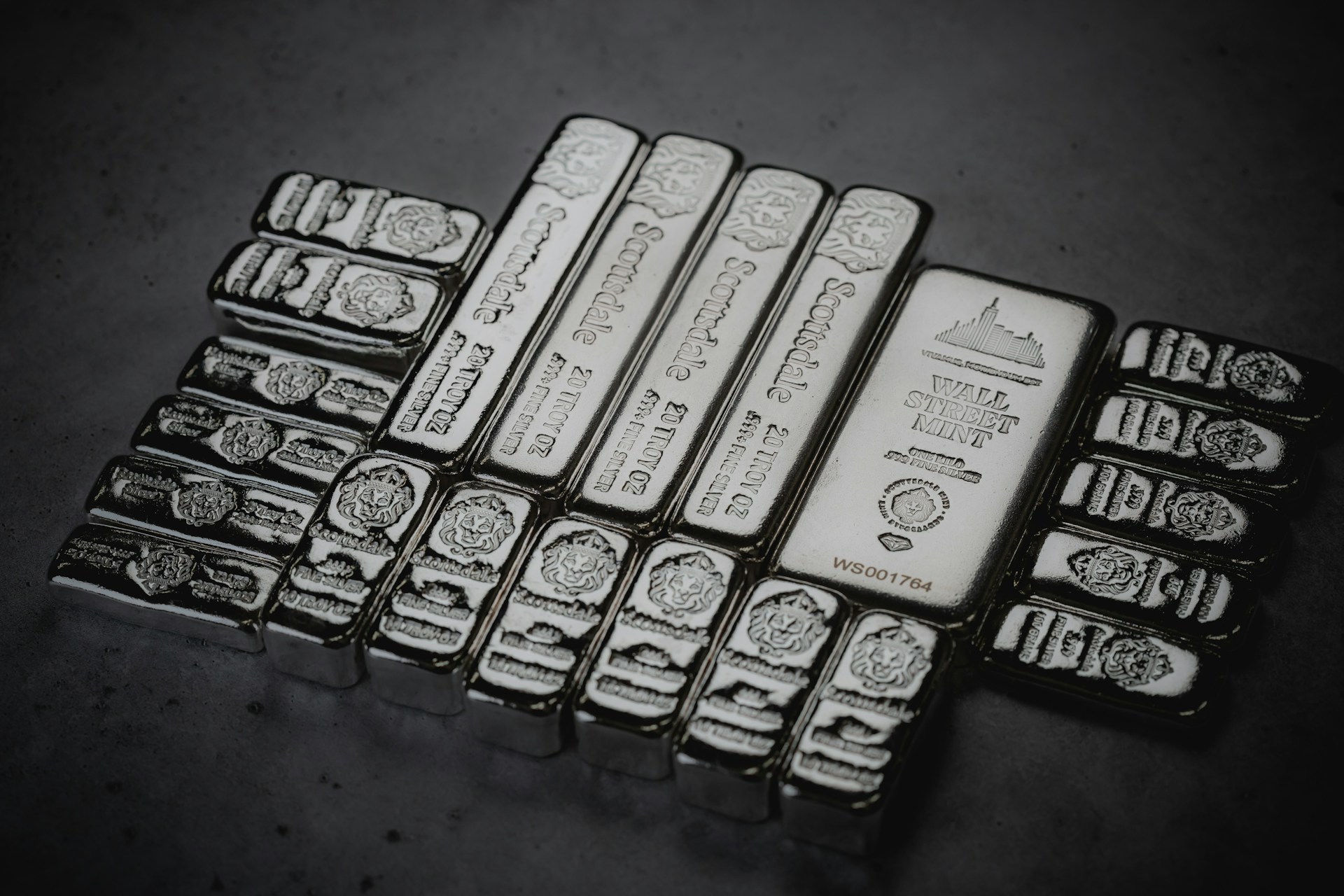
How to Find Current Values
How much is a silver bar worth today? Follow these three steps to calculate its underlying metal value using current silver prices.
Step 1: Check the Current Silver Spot Price
Visit First National Bullion's live precious metals prices page for updated silver prices and historical charts.
Spot prices are quoted per troy ounce and fluctuate during trading hours.
Step 2: Identify Weight and Purity
Check your silver bar's weight and purity markings to get more data in determining the silver bar’s value.
For example, a 100-gram bar weighs approximately 3.215 troy ounces. A .999 purity marking indicates 99.9% silver by weight.
Confirm whether the stated weight refers to gross weight or fine silver content.
Step 3: Calculate the Metal Value
If the listed weight is the bar's total weight, calculate its underlying metal value using this formula:
Weight in troy ounces × purity × silver spot price = underlying metal value
At an illustrative spot price of $50.04 per troy ounce, a 10-ounce bar with .999 purity contains approximately $499.90 in silver.
If the manufacturer's stated weight already represents fine silver content, multiply that weight directly by the spot price.
This calculation estimates metal value, not a dealer's retail price or buyback offer.
What Else Affects Silver Bar Value?
Weight, purity, and spot price determine underlying metal value. Manufacturing and dealer premiums influence purchase and resale prices.
Minted vs. Cast Silver Bars
Minted bars are made from silver blanks and generally have uniform edges and smooth finishes.
Cast bars are produced by pouring molten silver into molds, often resulting in less uniform surfaces.
Minted bars may carry higher premiums because of manufacturing costs, but silver bars aren't automatically worth much more than cast bars containing equivalent amounts of silver.
Dealer Premiums and Resale Prices
Dealers typically sell silver bars above their underlying metal value to cover manufacturing, distribution, and operating expenses.
Premiums vary by manufacturer, availability, and market demand.
When evaluating a silver bar, consider three figures: its underlying metal value, its retail selling price, and the amount a dealer may offer to buy it.
Compare Silver Bars at First National Bullion
First National Bullion has served precious metals buyers since 2006, selling physical bullion online and through retail locations.
Explore First National Bullion's silver bars for sale to compare available weights and refiners. Check the live silver price charts before buying or selling.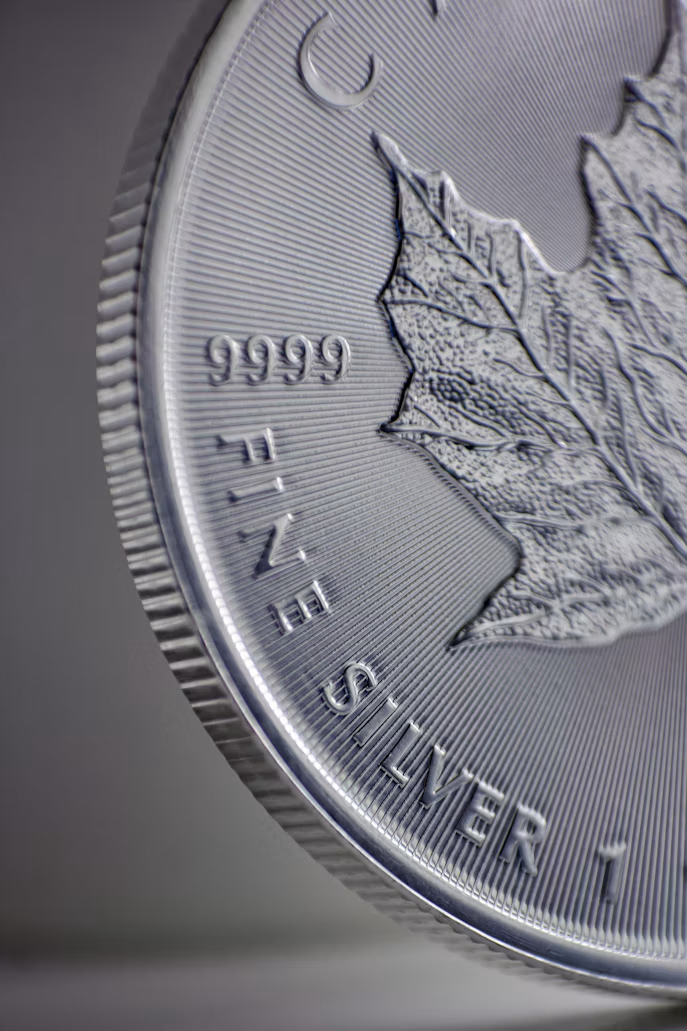
Frequently Asked Questions
Does a silver bar's brand affect its value?
A bar's manufacturer can affect retail premiums and resale demand. Its underlying metal value depends on fine silver content and current spot price.
How much is a 1-ounce silver bar worth?
A one-ounce bar's value depends on its purity and current spot price. At an illustrative spot price of $50.04 per troy ounce, a bar containing one gross troy ounce of .999 silver has approximately $49.99 in silver content.
Are 100-ounce silver bars cheaper per ounce?
Larger bars generally carry lower premiums per ounce than smaller bars. However, retail prices depend on the manufacturer, dealer, and market conditions.
Where can I check current silver prices?
Visit First National Bullion's precious metals pricing page for updated silver prices and historical charts. Check the latest quote before estimating a bar's value.
Disclaimer: This article is for educational purposes only and does not constitute financial advice. Silver prices fluctuate, and precious metals may increase or decrease in value. Historical examples do not guarantee future returns.