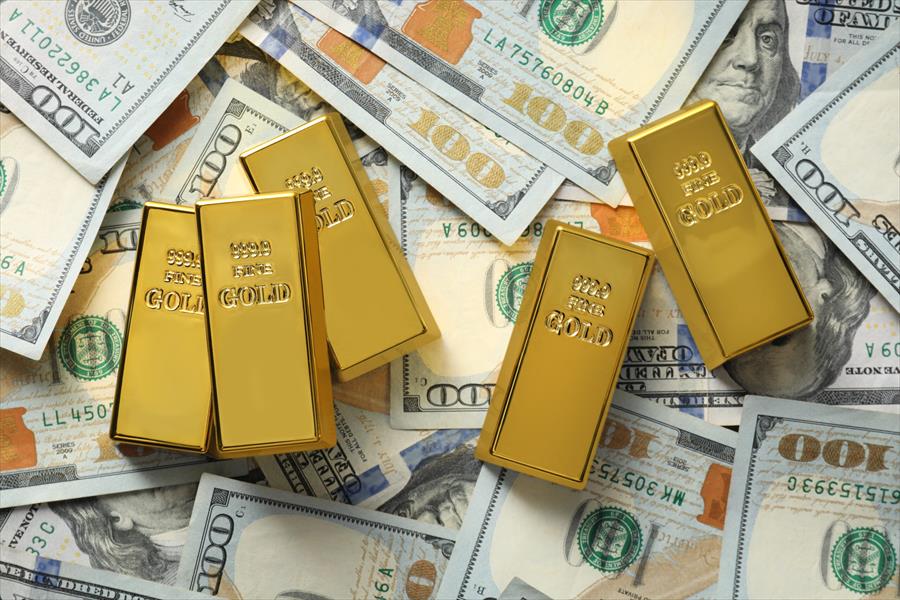
Gold vs Cash: Is Money or Gold Better to Hold?
Key Takeaways:
- When exploring whether to save money or gold, note that cash can lose value with time as a result of inflation, but gold has historically maintained its buying power long-term, making it an excellent asset to hold in times of economic uncertainty.
- Cash can be helpful for short-term needs or emergencies, but it can’t outpace inflation. It can also weaken during currency devaluation or market volatility cycles.
- Whether to choose cash vs gold depends on your personal goals: Go with gold for diversification and financial protection long term, and use cash for financial flexibility and liquidity.
Rumors of an economic crash, electric grid blackout, and imminent attack from a foreign nation keep you contemplating what you’ll do financially when the worst-case scenario becomes a reality. Should you keep extra money or gold in your home?
Both cash and gold offer various benefits, so the decision to keep either will depend on your personal preferences. For example, if you want liquidity for short-term use, it would be best to hold cash. However, gold offers many long-term advantages for investing and for combating various economic challenges.
Keep reading as the professionals at First National Bullion, the best place to buy gold in San Diego, explain cash vs gold and the benefits and setbacks that may come with either choice.
Gold vs Cash Difference #1: Maintaining Value
Regardless of economic downturns and other difficulties, gold can generally maintain its value, making it more reliable than cash. Therefore, if your main objective is to protect your wealth during uncertain times, it would be best to keep the precious metal.
Cash is typically valued based on political events worldwide and economic changes and challenges. These situations can influence cash’s actual value and reduce it at times. In these instances, exchanging some money for gold would be an excellent idea.
Gold vs Cash Difference #2: Usability
Gold is typically accepted worldwide. The store-of-value function it provides often comes without conversion fees. It’s traded globally and can transcend borders, governments, and cultures. As a result, gold is a valuable asset to keep.
In contrast, cash has universal limits that are often based on currency availability, exchange controls, and capital restrictions. There are also fees for converting funds into worldwide and local currency. The exchange risks can also be higher.
Gold vs Cash Difference #3: Bypassing Failures
In a perfect world, financial institutions avoid setbacks such as defaults, capital controls, and collapse. However, these situations could occur, along with confiscation. Keeping cash in banks can put your money at risk for theft, natural disasters, misplacement, and financial defaults. On the other hand, gold could be considered a safe haven when banks collapse, making it a better option.
Most financial institutions must insure funds up to a specific amount based on current banking and FDIC laws. However, gold generally avoids risks when a bank defaults or collapses, making it a popular option among investors and other account holders.
Gold vs Cash Difference #4: Availability
Cash may be the better choice when you want to access your investments quickly. It’s easier to withdraw money, and there are more places to access it, such as banks, various stores, and online exchanges. This means that if you’re in a bind and need cash to handle the situation, having cash on hand or at a financial institution is often a better option than gold.
You can learn more about gold from precious metals boutique firms. These businesses have greater insight into obtaining gold and how it can be a better choice than cash. The firms can also advise you on where to store the gold and how much to invest for short- or long-term periods.
Shop First National Bullion Today
Whether they’re exploring gold vs cash or looking to buy platinum coins or silver bars, precious metals collectors can trust the reputable dealers at First National Bullion. With five physical locations and an online store, we’re a boutique precious metals firm with over 19 years of industry experience as a trusted national bullion dealer, operating consistently since 2006.
In addition to offering high-quality gold and other bullion at competitive prices, we provide secure storage with third-party depositories, ideal for investors seeking dependable, insured asset storage. We also provide free shipping on orders $199+. Call us today to add precious metals to your portfolio, and stay in the know by checking out the latest market insights on our site.
FAQ
Is gold or money the best option given the current state of the United States dollar?
Gold usually rises in value when the United States dollar weakens, as global investors seek assets not tied to a single currency. If the dollar’s purchasing power declines as a result of monetary policy shifts, inflation, or increasing national debt, gold gains popularity as a globally recognized, neutral store of value. It’s a strategic asset for investors worried about the dollar’s long-term stability.
When it comes to cash vs gold, how do they behave during a recession?
Cash comes in handy for an immediate expense during a recession, but high inflation or falling interest rates can erode its value. The opposite is true for gold, which usually benefits from economic uncertainty. Investors frequently shift toward a safe-haven asset if corporate earnings start to decline, market volatility increases, or unemployment skyrockets. Gold has grown or at least shown resilience during market downturns since it’s not linked to consumer spending or corporate profits.
Should I hold a large amount of money or gold during an inflationary period?
Holding too many dollars may quietly reduce your wealth. Every dollar purchases less as prices increase, meaning your savings lose their purchasing power. High inflation may also drive down interest rates, reducing returns on Certificates of Deposit and savings accounts. Assets like commodities, gold, and real estate, on the other hand, often increase in value when inflation hits. The major risk associated with keeping too much cash vs gold isn’t volatility: it’s financial erosion.