

How to Store Precious Metals Safely (and When to Consider Depository Precious Metal Storage)
Key Takeaways:
- Storing precious metals safely at home is possible with supplies like airtight capsules and safes you can bolt to the floor.
- Quality insurance and proper documentation are critical for protecting the bullion you store at home in the event of a natural disaster or theft.
- Depository precious metal storage may be worth considering for investors with high-value bullion or large volumes of precious metals.
No, your home isn’t Fort Knox. But after all the proverbial blood, sweat, and tears you poured into amassing and maintaining your home gold bullion collection, you’ll be darned if you didn’t protect this collection as though your home were among the most important and secure vaults in the world.
Because it is — in your world.
Your greatest enemy isn’t necessarily a wanton intruder, though. It just might be you — if you don’t know how to keep your bullion in optimal shape. Let’s explore how to store precious metals safely and when to consider depository precious metal storage to protect your investment long term.
Access Protection
Bullion like palladium, platinum pieces, and gold assets offer significant value in small volumes, which makes them key targets for thieves. Proper home storage provides you with immediate access and full privacy while guarding your precious metals against unauthorized access.
A safe home setup requires a fire-rated, high-quality safe you can bolt to concrete. Choose a safe with a fire rating of at least one hour, a prying- and drilling-resistant locking mechanism, and humidity control.
Position the safe in a low-traffic area of your home that is concealed from any obvious sightlines. Even though a well-built safe can help protect bullion like rounds and bars from sticky fingers, the best line of defense is making sure that only the individuals you trust know your safe exists in the first place.
Environmental Protection
The fact that bullion is durable doesn’t mean environmental damage isn’t a threat to it. Sulfur compounds that rubber products, cardboard, and household cleaners release can tarnish silver, while gold coins may develop scratches and spots if not handled correctly.
Long-term precious metal storage in your home should include desiccant packs (small pouches filled with moisture-absorbing material, such as silica gel), anti-tarnish strip products, and airtight capsules to help control humidity. Monster boxes and sealed tubes from a mint offer structural protection for large stacks of silver. Even seemingly small blemishes can reduce premiums when you try to resell your bullion, so high-quality environmental protection is especially critical if you collect graded and proof coins, where condition plays a major role in resale value.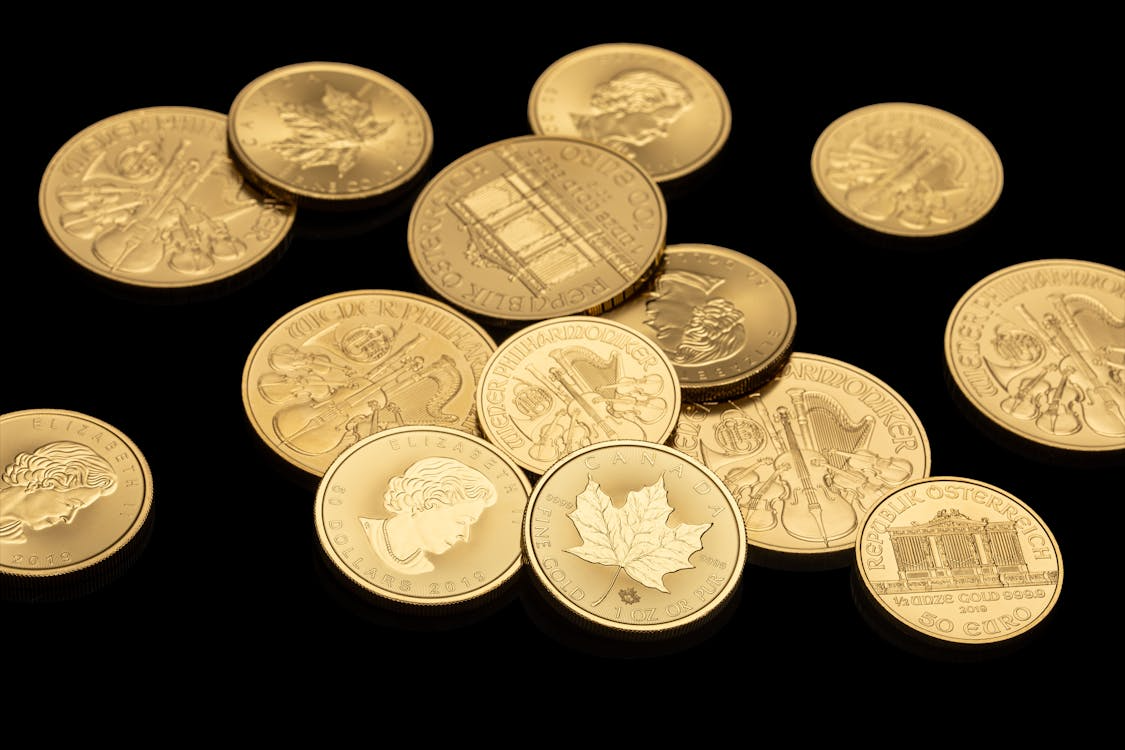
Insurance Protection
No bullion home precious metal storage setup is complete if you don’t have insurance. Standard homeowners insurance may provide only limited coverage for bullion, coins, and precious metals, especially for theft. Investors should review their policy limits and consider scheduled personal property coverage, a rider, or specialized insurance that covers bullion stored at home.
Acquiring insurance is only half of the puzzle, though: documentation is just as important. Take photos, keep track of certificates, record serial numbers, and hold onto receipts. These records can help simplify resale, prove ownership, and support an insurance claim. Keep both physical copies and digital versions in encrypted cloud storage to increase your chances of recovering your bullion after a theft, fire, explosion, vandalism, or natural disaster.
When to Think Twice About Home Storage
Home precious metal storage is convenient for bullion investors, but it can also be risky if you begin to collect large volumes of or high-value palladium, gold, and platinum. Storing your pieces at home may also be inefficient if you own numismatic or collectible pieces, where the bullion condition is paramount. Transitioning to depository or gold vault storage may be the best move in these situations.
Why Depository Storage?
Vault storage offers institution-level security. Depending on the facility, that may include UL-rated safes or vaults, seismic detectors, motion sensors, controlled access, biometric access, trained security personnel, and 24/7 surveillance. When you use depository precious metal storage, your metals may also be covered by the depository’s insurance, but coverage terms, limits, exclusions, and claims procedures should always be confirmed in writing.
|
Concern |
Storage at Home |
Gold Vault Storage |
|
Security |
Vulnerable to disasters and theft |
Vault monitoring and controlled security procedures |
|
Insurance |
Rider required; often limited |
Coverage may be available through the depository, but terms vary by provider |
|
Documentation |
Tracking photos, serial numbers, and receipts |
Professional inventory process |
|
Access |
Instant access |
Submitting a request for access (not instantaneous) |
|
Environmental Control |
Desiccant and airtight storage |
Climate controlled |
|
Risk of Major Loss |
High (theft, tornado, fire) |
Lower when metals are stored with a reputable, insured depository |
The Perfect Scenarios for Depository Storage
Go with depository precious metal storage when liquidity, insurance, and security start to become more important than instant access. Many investors begin considering gold vault storage once the value of their metals becomes too high to comfortably insure, document, and secure at home. For some, that may be around $20,000 to $50,000, but the right threshold depends on your insurance coverage, risk tolerance, access needs, and storage setup.
Order from First National Bullion Today
At First National Bullion, we’re proud to be your leading precious metals dealer and gold vault storage service provider. Explore our collections of gold, silver, platinum, and palladium bullion, coins, and investment-grade ingots, and order today!
FAQ
Should I choose home storage or depository storage?
You don’t have to resort to home storage or depository storage only: you can take advantage of both simultaneously. Keep an accessible, small amount of gold or silver in your home for liquidity or emergencies, and store most of your valuable bullion in a third-party vault.
This hybrid approach makes it easy to scale your holdings while reducing your personal risk. Remember that you can adjust your precious metal storage strategy over time as your risk profile and portfolio change.
Do I need to use a depository for a precious metals IRA?
Yes. If precious metals are held in an IRA, they generally must be held by a bank or an IRS-approved nonbank trustee or custodian, not stored at home. Taking personal possession of IRA metals can create tax consequences. You may also benefit from a depository if you plan to sell and buy bullion frequently, as vaults often integrate with dealers directly, making it possible to transfer metals in a jiffy.
Do depositories take good care of the assets they store?
Reputable depositories are designed to store, track, and protect bullion under controlled conditions, but investors should verify the facility’s insurance, audit process, storage type, and access procedures before choosing a provider. Facilities often provide segregated storage, allowing you to store your exact coins and bars separately from others. Segregated precious metal storage is particularly invaluable if you own graded coins or serialized bars you don’t want to mingle with other people’s assets.