Explaining Gold Purity: What Karats Means for Value
- Gold is measured in karats out of 24, so 24K is 99.9% pure, 22K is 91.67% pure, and 18K is 75% pure, per JM Bullion.
- Two coins can carry different karat stamps and still hold the same amount of gold, which is why value tracks metal content rather than the stamp alone.
- Higher karats hold more gold but bend more easily, while lower karats trade some gold content for durability.
Gold purity measures how much of a coin or bar is actual gold versus other metals mixed in. That single figure drives what you pay, how the metal holds up over time, and how easily you can resell it. A buyer who understands gold purity can set a 24-karat bar next to a 22-karat coin and know exactly what sits inside each one.
Gold Karats Explained: The 24-Point Scale
A karat is a fraction out of 24. One karat equals 1/24 of the whole, or about 4.1667% gold content, according to ARJL's breakdown of pure gold content. So 24-karat gold is 24 parts out of 24, and 18-karat gold is 18 parts gold with 6 parts other metal.
This turns the karat stamp into a percentage. Refiners also measure gold purity in fineness, or parts per thousand. A 999 stamp means 99.9% gold, a 916 stamp means 91.67%, and a 750 stamp means 75%.
24K Gold: 99.9% Pure
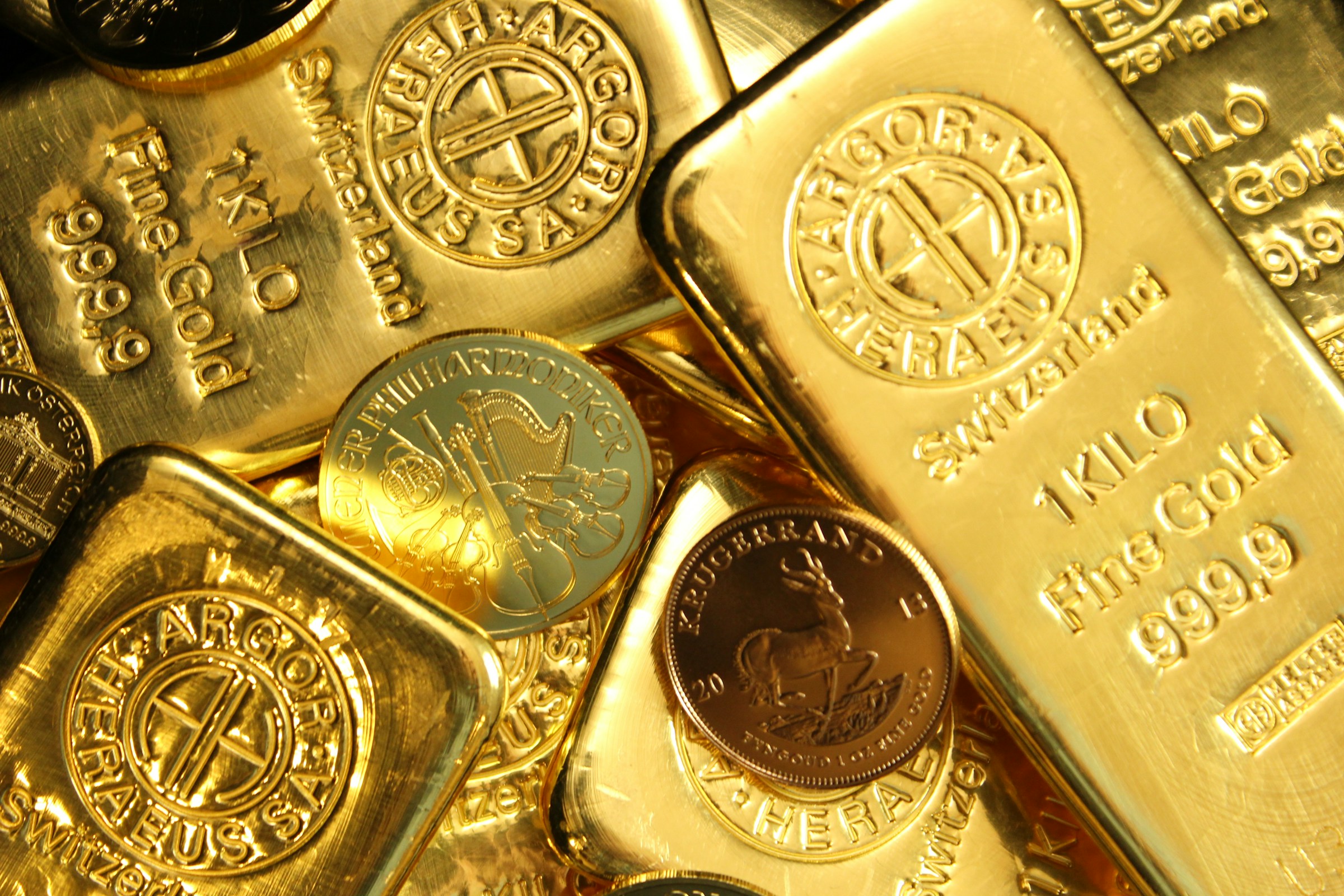
24-karat gold carries the highest gold purity sold for investment, at 99.9% pure or finer, per JM Bullion. Bars and rounds at this level contain almost no alloy, which gives them the deep yellow color of raw gold.
Softness is the tradeoff. Pure gold bends and scratches, so 24K works best as a stored asset rather than something handled daily. For an investor who wants the most metal per unit, a 24K bar puts the highest gold content in the smallest package.
22K Gold: 91.67% Pure
22-karat gold has 91.67% purity, with the balance usually copper or silver. That small amount of alloy makes 22K coins more durable than pure bars while keeping nearly all of their gold content.
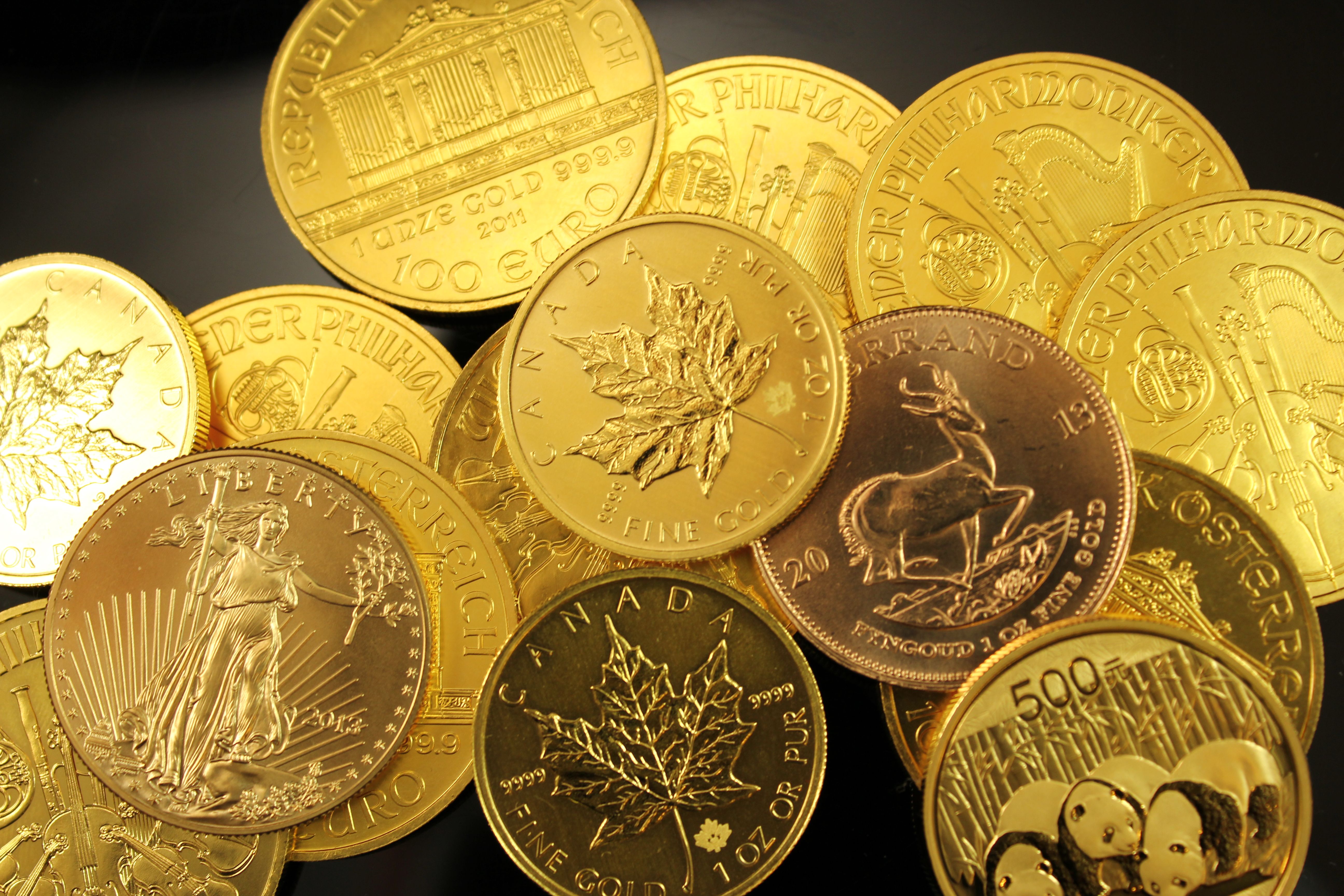
The American Gold Eagle is the clearest example to explain. The coin is struck in 22-karat gold, yet it still holds one full troy ounce of pure gold. Its total weight runs slightly above an ounce to make up the difference. First National Bullion carries the American Gold Eagle among its gold coin options.
18K Gold: 75% Pure
18-karat gold is 75% pure gold mixed with 25% other metals, per JM Bullion. Its gold purity sits below investment-grade coins and bars, which is why 18K shows up in jewelry far more than in bullion.
The added alloy makes 18K harder and lets refiners tint it into white or rose gold. For an investor focused on metal content, though, an 18K piece delivers less gold per gram than 22K or 24K.
What Gold Purity Means for Value
Value tracks gold content, not the karat number by itself. A 22K coin holding a full ounce of gold and a 24K bar holding a full ounce carry the same metal, so their melt value moves together with the market. Reading gold karats explained through content, rather than the stamp alone, tells you what a piece is worth.
Premiums, resale, and durability fill in the rest. Lower-karat jewelry often sells below its stated weight because dealers price the recoverable gold, not the alloy around it. First National Bullion prices its bullion competitively and bases value on verified gold purity and metal content.
This article is for educational purposes and is not financial advice. Gold has historically held its value during market fluctuations, though past performance does not predict future results.
Frequently Asked Questions
Which purity is best for investing?
For bullion, 24K and 22K are the common choices. A 24K bar maximizes gold content per unit, while a 22K coin like the American Gold Eagle adds durability without giving up its full ounce of gold, per JM Bullion.
Does a larger gold karat number always explain a higher value?
No. Value follows the actual gold content, not the karat stamp. A 22K coin and a 24K bar that each hold one troy ounce of gold share the same melt value at a given market price.
How can I verify my gold’s purity?
Look for the fineness stamp: 999 for 24K, 916 for 22K, and 750 for 18K, per JM Bullion. Bars and coins from recognized refiners and mints also arrive with assay details that confirm weight and purity.
Why is pure 24K gold not used in most jewelry?
Pure gold is soft and scratches easily. Jewelers add alloys to strengthen the metal, which is why everyday pieces tend to be 18K or 14K rather than 24K.
Buy Gold With Confidence at First National Bullion
Knowing your gold's composition puts you in control of what you buy and what it is worth. First National Bullion has stocked gold, silver, platinum, and palladium since 2006, with a large inventory across our online store and physical locations in Arizona and California.
Orders over $199 ship free, arrive insured, and require your signature on delivery. Explore our gold collections to compare karats and metal content, learn about secure third-party storage, or find a store near you.