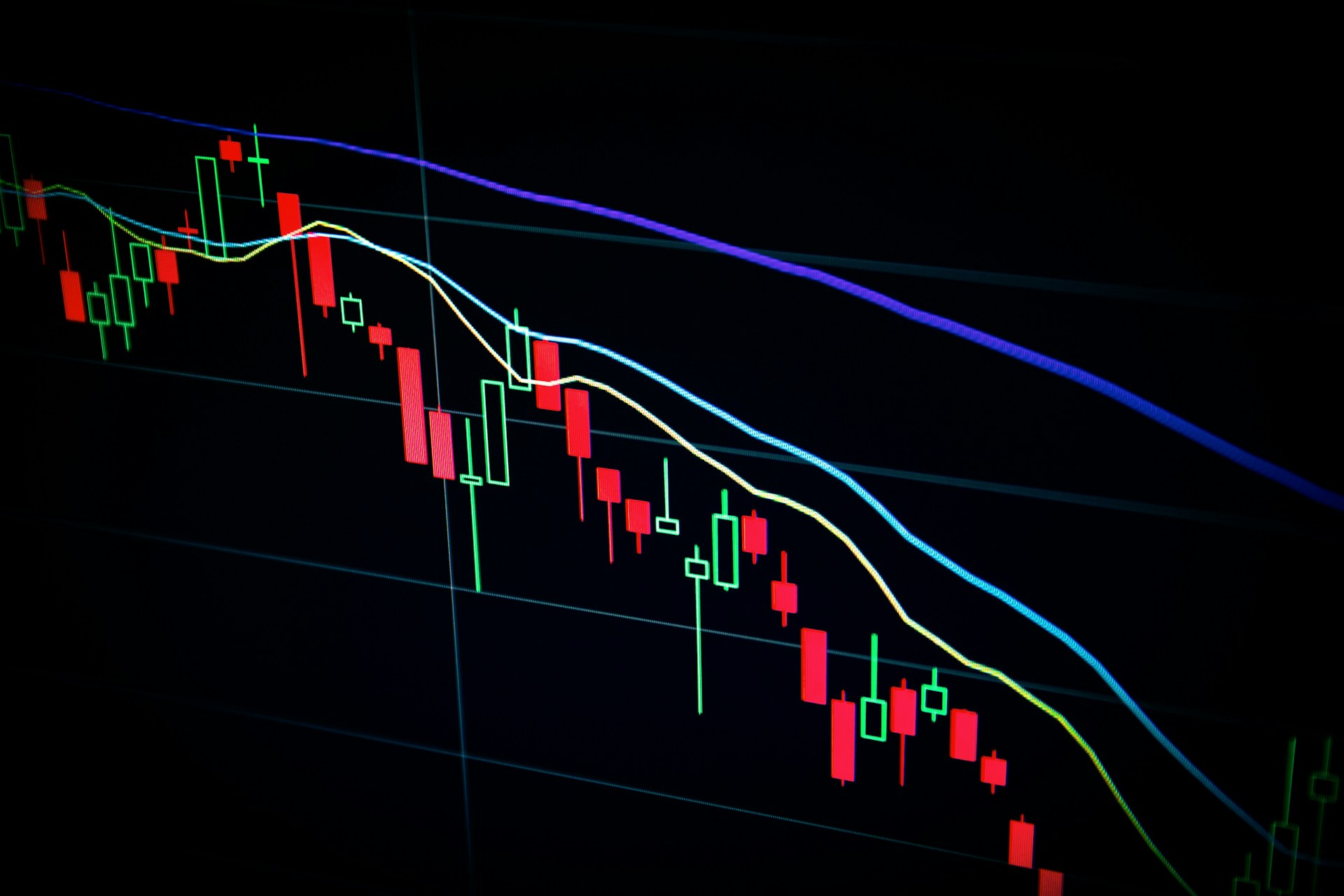
Spot Price vs Premium: Why the Final Price of Bullion Changes by Dealer
Key Takeaways
- If you’re interested in precious metals like gold, silver, platinum, or palladium, the spot price is a useful reference for understanding their market value.
- The market sets the spot price, but that’s not necessarily what buyers pay. Additional costs, collectively called the premium, come into play.
- Two identical gold or silver products can surprisingly have different price tags due to varying premiums.
- Comparing different dealers’ premiums can help you find the best deal possible.
Have you ever wondered why one bullion dealer charges more for the same gold or silver coin compared to another? Even though they use the same precious metals spot price, they tend to arrive at different selling prices.
Much of this price difference comes from premiums. Although the spot price sets the stage for the current value of precious metals, their final price also includes a premium.
Understanding the difference between the spot price and the premium can help you make more informed purchasing decisions by allowing you to compare sellers more confidently, recognize reasonable premiums, and avoid overpaying for precious metals. Let’s get after it.
What Does Spot Price Mean?
In simple terms, the spot price is the current market price of a precious metal. It provides a standard reference point for determining the market value of silver, gold, platinum, and palladium.
In bullion investing, the spot price usually refers to the market value of the raw metal itself, its wholesale market price, without factoring in the extra charges associated with coins, bars, or other physical bullion.
Precious metals are generally priced by the troy ounce, a unit of measurement equal to about 31.1 grams. The quoted price doesn’t remain constant throughout the day because market activity, investor sentiment, and economic developments influence what buyers are willing to pay.
Factors that influence Precious Metals Spot Prices
Now that we've established what the spot price means, let’s look at the factors that influence it. They are:
- Supply and demand: Changes in mining output, metal recycling, investment demand, and industrial demand all influence precious metal prices.
- Economic conditions: Economic factors such as inflation expectations, economic uncertainty, and interest rates can influence investor demand and, therefore, prices.
- Currency movements: Precious metals are largely traded in US dollars, making international prices sensitive to changes in the dollar’s value.
- Geopolitical events: During periods of war, political unrest, or economic uncertainty, more investors turn to assets like silver and gold to help preserve their wealth.
- Market speculation: What investors expect to happen in the market and shifts in investor sentiment can add volatility to precious metals prices, especially in the short term.
Because each of these factors changes throughout the day, precious metals prices rarely stay the same for long. That’s why dealer prices may change between when you see the bullion and when you’re ready to complete the purchase. Keep an eye on precious metals price charts to observe trends and anticipate price shifts.
What Is a Bullion Premium?
A bullion premium is the extra cost added to the spot price when a dealer sells physical precious metals. For example, if silver has a spot price of $35 per troy ounce and the dealer sells a silver coin for $45, the premium is $10.
What Does a Bullion Premium Cover?
The premium compensates dealers for the operational and production-related expenses associated with supplying physical bullion to the market. These costs include:
- Production costs: Include expenses associated with refining raw precious metals into finished products like bars, coins, and rounds.
- Packaging and safety measures: Physical bullion requires special protective packaging and security precautions to maintain its condition and reduce the risk of loss during handling or storage.
- Transportation expenses: Dealers also incur costs for acquiring precious metals from refineries and mints.
- Administrative and operational expenses: Selling precious metals involves more than purchasing stock. Dealers must also pay employee salaries, secure storage, insurance, and payment processing fees.
- Market demand: Products that attract strong buyer interest may command higher premiums, especially when available stock is limited.
- Dealer profit margin: Part of the premium is the dealer’s profit, which helps support their operations and keep the business running.
Since each dealer has their own business costs and supply arrangements, the premium on a particular gold or silver product may vary depending on where you buy it.
Spot Price vs Premium: Understanding the Difference
We’ve established that although both spot prices and premiums influence the prices of physical precious metals, each represents a separate part of the final cost. Here’s a summary of their key differences:
|
Feature |
Spot Price |
Bullion Premium |
|
Meaning |
Current market price of the precious metal |
Additional costs above the spot price |
|
Main Influence |
Global market conditions |
Production, transportation, demand, and dealer costs |
|
Frequency of Change |
Can fluctuate throughout a trading day |
Changes depending on inventory and market conditions |
|
Applies to |
The underlying precious metal |
Physical bullion products |
|
Dealer Variation |
Tends to reflect the prevailing market rate |
Varies between dealers |
|
Purpose |
Offers a common reference for valuing gold and silver |
Covers the costs of supplying physical bullion |
Understanding what the spot price and premium mean matters because the advertised spot price is not the actual amount you will pay to acquire the physical metal.
How the Final Price of Bullion Is Calculated
The calculation comes down to the two main components:
Final bullion price = Spot price + Premium
For example, say silver has a spot price of $45 per troy ounce, and a dealer charges a $10 premium. The cost would be:
$45 + $10 = $55 for one troy ounce of silver
If you purchase 15 ounces at that price, your total would be $825 before any applicable shipping, insurance, taxes, or other charges.
With that understanding, you can compare bullion offers from various dealers to find the best deal.
What Influences Dealers’ Final Bullion Prices?

Two bullion dealers can start with the same precious metals spot price and still charge different amounts. The difference often comes down to each business’s bullion pricing approach, expenses, and costs. Let’s discuss this further:
-
Different Sourcing and Purchasing Costs
Bullion dealers source their inventories from different sources. Some work directly with refineries and mints, while others purchase through wholesalers and independent suppliers. Others buy in large volumes and secure better prices from suppliers, while those purchasing in smaller quantities have less bargaining power.
These differences in purchasing costs influence the premiums each dealer eventually charges.
-
Product Type and Manufacturing Costs
Manufacturing a gold or silver coin involves a different process and incurs different costs than a standard bullion bar.
Government-minted coins, such as the Canadian Maple Leaf Gold coins, feature intricate designs, additional security features, and strict quality checks, all of which can increase production costs. Conversely, silver rounds from private mints and ordinary bullion bars involve simpler production processes and can therefore cost less.
As a result, two bullion products made of the same metal and purity can have different retail prices.
-
Supply and Demand

Premiums can rise when certain bullion products become difficult to source or experience a sudden surge in demand. When demand rises faster than the supply, dealers raise their prices.
On the other hand, premiums may decline when dealers have abundant inventory or when demand weakens.
-
Dealer Operating Expenses
Like any other business, bullion dealers have running costs that factor into the prices they charge. A dealer running a physical retail location, maintaining large inventories in large storage spaces, investing in extensive security, and paying for insurance, among other costs, will have higher overhead than an online-only business.
These costs are reflected in the premiums, the amount above the spot price, for the precious metals.
-
Inventory and Pricing Strategies
Dealers often update their prices at different times as their inventories and market conditions change. Some dealers use automated systems that update prices in real time as conditions change, while others base their costs on what they paid for it, or even take a whole different approach.
Promotions, inventory levels, and restocking costs can also affect the premiums buyers see.
-
Payment Methods and Additional Charges
Don’t overlook payment costs when comparing bullion prices. Bank transfers are often less expensive for dealers to process, whereas card payments can cost more due to processing fees.
Shipping, insurance, and applicable taxes can also add to the amount you ultimately pay.
The factors above show why comparing advertised prices alone may not accurately reflect the true cost of each deal; consider all applicable costs to find the dealer that offers the best value.
Does Paying a Higher Premium Always Mean You Are Overpaying?
Not at all. Paying much more than the spot price of precious metals could reflect their higher quality, manufacturing standards, rarity, recognition, and market demand. For instance, buyers may pay more for a recognized government-issued coin than for a generic silver round because of its mintage and trusted reputation.
That said, be aware that paying a higher premium does not guarantee that the additional cost can be recovered upon sale. Resale value often depends on the current spot price, the product you’re selling, buyer demand, and the dealer’s buyback rate.
Buyers should therefore consider more than the initial purchase price; they should also consider the potential resale value.
Buy Physical Bullion At First National Bullion
Understanding spot prices and premiums gives you a clearer picture of what you’re paying for precious metals. However, the initial price is only one part of the equation; buyers should also think about the bullion’s resale prospects and the premiums their purchases may command in the future.
Finding a dependable source for physical gold, silver, platinum, and palladium doesn’t have to be difficult. First National Bullion has been helping customers access quality bullion at competitive prices for more than 19 years. You can explore our products online or visit us in person, whichever is more convenient for you.
If you’re unsure or have questions about your purchase, our knowledgeable, U.S.-based live representatives can provide helpful guidance. Explore our metal collections and learn more about our storage solutions.
FAQs
What is the difference between the precious metals spot price and the retail price?
The spot price is the current market price of a precious metal, while the retail price includes the dealer’s markup and other costs associated with producing physical bullion.
Do spot prices change every day?
Yes, they can shift several times in a trading day as market participants respond to market behavior and geopolitical factors.
Will I get the premium back when I sell gold or silver?
Not necessarily. The amount you’ll receive for your precious metals will depend on the prevailing spot price, market demand, product recognition, and the dealer’s buyback offer. Some popular coins grow in value over time, but we cannot guarantee that the premium you paid at purchase can be recovered.
Should I then always buy bullion with the lowest premiums?
No, other important considerations matter besides the premium, such as product authenticity, dealer credibility, product recognition, liquidity, shipping costs, and resale opportunities.
How can I tell if a bullion dealer is offering a fair price?
Start by checking the current precious metal spot price against the premium, and compare both to the dealer’s quote. Calculate the premium and factor in any additional charges. That will clarify how much more you’re paying for the product.
Next, see what reputable sellers are charging for the exact same coin or bar. While comparing prices, take time to understand each dealer’s buyback terms for when you’re ready to sell.