
Industry Education: How to Use the Price of Gold Today Per Ounce for Investment Decisions
Key Takeaways
- When making gold investment decisions, checking the day’s price of gold per ounce is not enough; you must study past price behavior to have a clearer market picture.
- Silver takes the same price patterns as gold, meaning that silver’s historical price charts paint an accurate picture of how gold prices behave in the long term.
- The combination of the current price and historical price patterns can help predict market direction, empowering investors with the knowledge to make confident investment decisions.
Whether you’re an experienced investor or just starting, keeping track of changes in spot price is important. However, that figure alone cannot serve as the basis for your investment decisions; you need insights from historical market data. And since gold and silver move in related cyclical patterns, silver’s historical price charts can be a useful complementary reference for decision-making.
In this guide, we’ll explore how gold prices and silver prices work and how to use their combined market data to make investment decisions.
What Does the “Price of Gold Today Per Ounce” Mean?
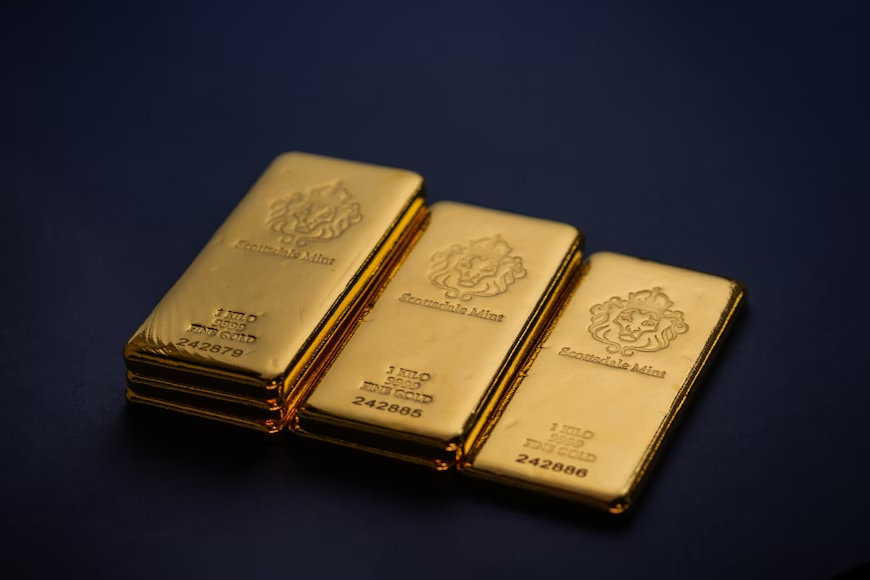
The “per ounce price of gold” is the market value of one troy ounce, and getting the real-time figure shows how it’s currently performing in the market. A troy ounce is the standard unit for trading precious metals worldwide, and is equivalent to 31.1 grams.
The prices of gold and other precious metals change constantly due to demand and supply, geopolitical events, and central bank monetary policies. Currency fluctuations and global economic conditions also influence gold prices. An investor needs to constantly monitor price changes (perhaps using a gold price tracking app) to make informed decisions.
Tracking the Price of Silver
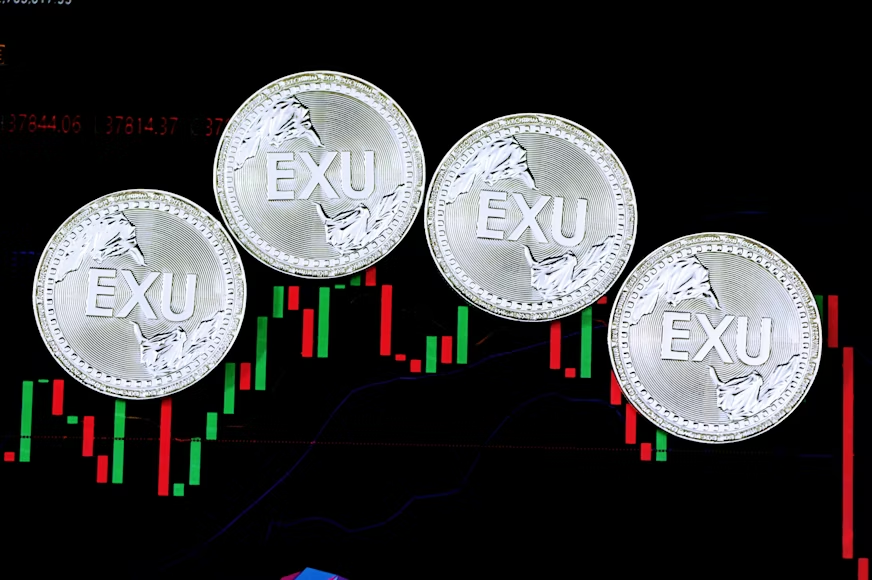
Gold investors keep a close eye on the price of gold per ounce each day, and silver investors also rely on historical silver price charts to monitor price changes. Charts are generally more informative than spot prices because they reveal patterns over time.
Silver is a highly volatile, sentiment-driven asset whose true value is better understood through long-term cycles than day-to-day fluctuations. With the charts, investors are able to identify support levels and patterns, track reactions to economic events, and distinguish short-term market noise from long-term trends.
How to Use Market Data for Better Decision-Making
By pairing the current gold price per ounce with historical silver chart insights, investors get a more balanced and insightful investment perspective. Instead of relying on a single data type, they can evaluate both current market conditions and broader trends over time, making it easier to anticipate market movements.
Steps to Analyze Market Trends
These steps can enhance your understanding of the markets:
1. Review Historical Charts
A good starting point is to examine silver’s historical price charts, as they provide a better understanding of gold and silver movements over an extended period. You’ll be able to identify patterns of growth, downturns, and stability, relative to changing economic conditions.
2. Compare Current Prices
Having a clear picture of how the metals behaved over time, compare this behavior against their current figures, using today’s price of gold per ounce and recent silver price levels. It’ll help you determine whether the market is currently at a high, a low, or somewhere in between based on past performance.
3. Identify Patterns
See how gold and silver prices behaved in the past due to investor behavior, economic cycles, or global events, among other factors, and how they’re behaving today. By recognizing such patterns, you can anticipate price changes and position yourself accordingly.
4. Assess the Current Market Conditions
Look beyond the current price of gold per ounce and silver’s historical price charts into the broader economic environment. Factors such as inflation, interest rate changes, geopolitical events, and currency fluctuations influence precious metal prices. Take time to analyze how these factors might influence price direction in the coming days.
5. Make Informed Investment Decisions
Ultimately, rely on the insights you’ve gained from past and present market behavior to make your investment decisions.
The five-step approach shifts the focus away from short-term market emotions and noise and guides you to base your decisions on concrete market data. It helps you avoid unnecessary risk and helps you master gold investments.
Common Mistakes to Avoid
As you keep track of today’s price of gold per ounce and study historical silver price charts to make investment decisions, avoid these pitfalls:
- Focusing on short-term price changes
- Ignoring historical price trends
- Overreacting to market news
- Failure to diversify and only relying on one asset
Create a Strong Portfolio with First National Bullion
Developing expertise in precious metals investing involves more than just checking today’s price of gold or silver per ounce. Current price behavior must be studied alongside insights from past price data, like those derived from historical silver price charts. This approach provides a broader perspective on the precious metals market and helps you make solid investment decisions.
To check the current and previous prices of gold and silver, turn to First National Bullion. We also provide a wealth of investment knowledge resources that include investment guides and industry news, to keep you well-informed about precious metals investing. What’s more, investors get to buy or sell their bullion through us. Explore our metal collections.
FAQs
How can I track the price of gold per ounce in real time?
Check live gold prices on the First National Bullion website. We have a price ticker that displays real-time price updates, along with charts to track these changes.
How do historical silver price charts help with gold investing?
Although the charts center on silver, they offer wider insights into precious metals market trends. Since gold and silver tend to move in similar cycles, studying both metals can enhance your understanding of the market and improve timing decisions.
Can I predict gold prices using historical data?
Although historical data is useful for showing trends and patterns, it cannot predict future prices. It should be used alongside real-time market and economic information.