
Do Banks Buy Gold?
By Jon Cavuoto

Key Takeaways:
- Central banks buy gold, while retail banks don’t buy gold.
- Central banks have the infrastructure required to manage gold holdings, while retail banks don’t have this infrastructure, focusing on paper money instead.
- Bullion dealers are a top source for gold bullion because they offer these assets at competitive prices and in various forms, such as bars and coins.
Three things you learned from your dad: check your car’s oil regularly. Don’t blow all your money. And invest in gold.
You may be 0 for 3 (don’t worry; your secret’s safe with us), but buying gold this year can instantly improve your financial future. Like many beginners, you may be wondering how gold investments work and asking, “Do banks buy gold, and if so, which banks buy gold?”
Let’s explore how gold purchases work with banks and how to start investing in gold with confidence.
Gold and Banks
Many beginning investors ask, “Do banks buy gold?” because they think financial institutions act like bullion dealers. A more accurate question is which banks buy gold, and why?
Central banks purchase gold to keep the national reserves stable. Examples of central banks include the People’s Bank of China, the Federal Reserve, and the European Central Bank. Retail banking institutions (e.g., your local banks), on the other hand, rarely touch bullion.
When it comes to their gold holdings, central banks hold 35,000-plus metric tons to protect against inflation, hedge currency risk, and strengthen national reserves. This gold also helps reduce countries’ reliance on the United States dollar and other foreign currencies, as well as stabilize central banks’ balance sheets.
Why Not Local Banks?
Retail banks generally don’t buy gold because they lack the infrastructure to insure, store, and authenticate bullion. Gold authentication requires procedures for pinpointing tampered coins and counterfeits, as well as expert bullion specialists, ultrasound-based thickness testers, density testers, and X-ray fluorescence spectrometers.
Retail banks don’t maintain this expertise or equipment. They’re not designed to verify precious metals; they focus instead on paper currency, and they don’t maintain bullion-grade vaults (just safe-deposit box options). This makes it infeasible for local banks to purchase gold from the public.
Why Central Banks?
As you explore which banks don’t/do buy gold, you’ll notice that central banks do buy this precious metal because they are legally empowered to sell and buy gold on global markets, as well as report their holdings. This authority derives from reporting standards, such as those of the International Monetary Fund, and from sovereign banking acts.
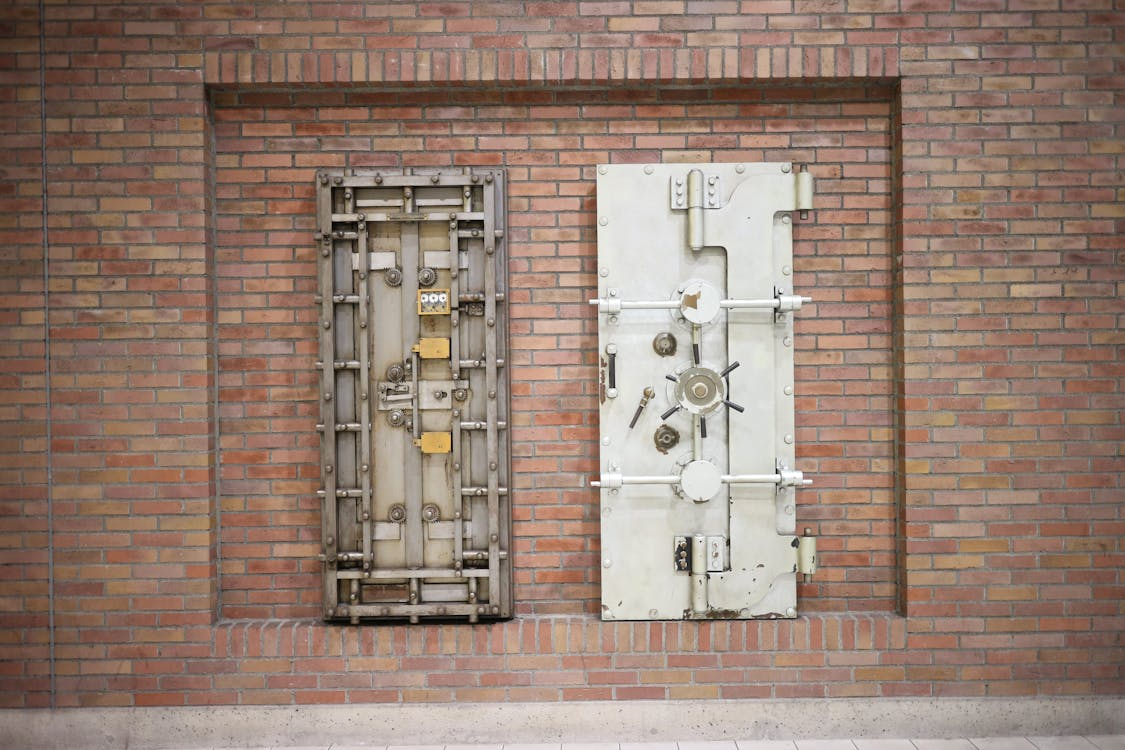
Another reason central banks buy gold is that they have the metallurgical verification laboratories and professional assayers required to authenticate large amounts of gold. They can also easily store several thousand tons of the metal and provide around-the-clock armed security, a fortress-level system that retail banks simply don’t have.
The Bullion Dealers Connection
Another reason why retail banks don’t buy gold is that handling precious metals requires the following:
- Systems for tracking inventory
- Assay services
- Refinery relationships
- Armored transport
- Documentation related to the chain of custody
Retail banking institutions don’t have inventory systems for precious metals, assay contracts, refinery partnerships, or departments responsible for shipping bullion. This is where bullion dealers shine: they are specialists in these bullion-related logistics, making them dependable buyers and sellers of gold and other precious metals.
Central Banks versus Dealers of Precious Metals
| Question/Factor | Banks | Dealers of Precious Metals |
|---|---|---|
| Do banks/dealers buy gold? | Yes | Yes |
| Which banks/dealers buy gold? | Central banks | Every major bullion dealer |
| Prices | N/A (central banks don’t sell gold to retail purchasers) | Transparent, competitive |
| Inventory | N/A (central banks don’t provide retail inventory) | Broad selection of rounds, bars, and coins |
Note that some international banks do sell gold even though local retail banks don’t. Still, these international banks have limited inventory and charge higher premiums than dealers, making dealers a wiser choice. Dealers are the best option for every investor and collector seeking competitive prices, the convenience of online ordering and shipping, and handy, secure storage services.
Order from First National Bullion Today
A critical step in investing in precious metals is choosing a reputable dealer to purchase from, as this will prevent you from falling victim to inflated premiums. At First National Bullion, you can trust us to help you confidently make bullion a modest part of your portfolio. Investing in our coins, bars, and investment-grade ingots can help you take advantage of the stability bullion provides without overshadowing growth-oriented financial assets like stocks and real estate.
We also offer services to help our customers invest their gold with a self-directed IRA, in addition to providing Brinks secure storage. We provide free shipping on all orders over $199 and also offer bullion for immediate possession at our stores in Arizona, California, and Florida. Explore our metal collections, order today, and don’t forget to sign up for our newsletter to stay in the know regarding all things precious metals.
FAQ
Why don’t banks want to buy gold at some point in the future?
Banks face significant compliance burdens when it comes to precious metals, such as verifying the sources of funds and complying with anti-money-laundering reporting requirements. Gold also doesn’t support their primary business lines (e.g., credit products, deposits, and loans), so banks don’t have an incentive to hold gold or hire gold experts.
Which international banks buy gold?
Besides major banks such as the People’s Bank of China, the Federal Reserve, and the European Central Bank, other global banks that buy gold include the Central Bank of Russia and the Turkish Central Bank. National monetary authorities also purchase gold, including the Saudi Arabian Monetary Authority. Large global banks like JPMorgan may also trade in the gold market, known as the London Bullion Market.
If central banks do buy gold, why don’t I ever see news about this?
Central banks frequently buy this precious metal quietly so that they don’t inadvertently move markets. They use intermediaries such as the Bank for International Settlements to conduct gold swaps, reserve reallocations, and off-market gold transactions.