How the Fed’s Reserve Meeting Outcomes Could Affect Gold’s Price
Key Takeaways
- The Fed's regular reserve meetings significantly impact gold prices. Higher interest rates may lower gold prices, while lower rates may increase them.
- Economic concerns from the Fed may push investors toward gold as a safe-haven asset.
- Quantitative easing may drive gold prices up, while quantitative tightening may lower them.
Making sure you have every cent you’ll need to thrive in retirement feels a lot like building India’s Qutub Minar tower one stone at a time. Gold is part of your retirement portfolio since it serves as a hedge against inflation, but you can’t help but wonder if it will keep protecting your purchasing power in the decades ahead.
The reality is that the Fed, or Federal Reserve, impacts the price of gold through its interest rate plans. This is why savvy investors who have their sights set on retirement would be wise to stay abreast of the outcomes of the several Fed meetings that take place annually.
Let’s explore how a Federal Reserve meeting today could move the price of gold and how this may affect your long-term investment plans.
Fed’s Impact on Gold Prices
Let’s say the Fed signals a tighter policy or higher interest rates at one of its Fed meetings. The United States dollar is likely to strengthen, which may cause gold prices to fall. If the Fed hints at a looser policy or interest rate cuts instead, gold’s price will likely rise as investors search for a cash alternative to protect their wealth from inflation.
Interest Rate Hikes
Since gold doesn’t pay an investor income (e.g., interest, dividends, or cash flow) as they hold onto it, a savvy investor is focused not on what they can get from gold but what they lose by continuing to hold onto gold rather than assets that yield income. If the Fed chooses to raise interest rates, bonds, savings accounts, and cash suddenly appear more attractive, which means gold struggles temporarily.
Interest Rate Cuts
Financial stress or inflation in the longer term may drive up the price of gold again as more investors turn to it as a safe-haven asset. A lower interest rate makes savings accounts and bonds less appealing, as yields on these assets will be lower, while gold offers an excellent store of value. It’s not uncommon for gold to jump several percent after the Fed decides to cut rates, which shows just how sensitive this asset is to Fed policy expectation shifts.
Future Inflation
The Fed’s regular meetings also affect expectations for inflation in the future, not just the current interest rate situation. If the Fed expresses concern about ongoing inflation, investors usually interpret this as a signal to invest in gold. Meanwhile, if Fed officials believe it can achieve its inflation goals with its rate policy, there may be less urgency among investors to rely on gold as an inflation hedge, at least for now.
Fed Balance Sheet Options
The decisions the Fed makes regarding its balance sheet also affect gold’s pricing. Quantitative easing is a Fed policy that expands the balance sheet through the purchase of bonds. This approach may weaken the American dollar, potentially driving up gold.
Quantitative tightening, however, shrinks the Fed’s balance sheet. This strategy tightens financial conditions, potentially lowering gold prices as the dollar and yields on savings accounts strengthen.
The Format of Gold
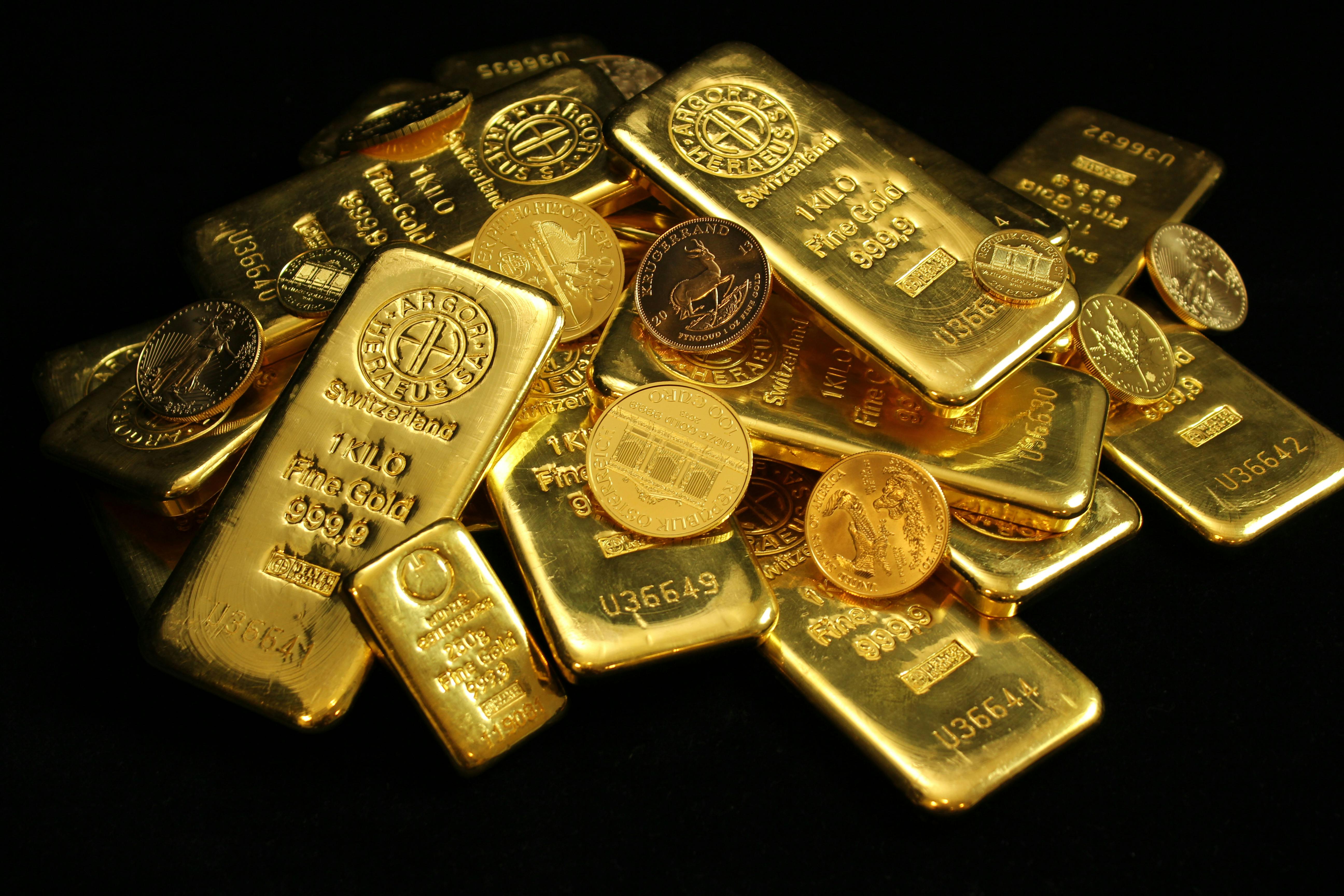
Fed meetings may affect the formats investors choose for their gold investments. Do they opt for physical bullion, mining stocks, or exchange-traded funds? During periods of aggressive quantitative easing, some investors prioritize directly owning gold bars and coins, while others opt for ETFs for their liquidity benefits.
|
What the Fed does or says |
Market impact |
Gold reaction |
|
Raise interest rates/ Suggest rate hikes |
Money becomes more expensive to borrow/ Market conditions are expected to tighten |
The price of gold might temporarily drop because cash appears more attractive |
|
Pause rate hikes |
Markets experience some breathing room |
The price of gold might move up slightly |
|
Cut interest rates |
Money suddenly becomes cheaper to borrow |
The price of gold jumps, since it becomes an accepted store of value |
|
Quantitative easing |
People may become fearful about the value of the dollar |
Gold’s popularity surges, with gold being viewed as a necessary haven |
Shop First National Bullion Today
At First National Bullion, we take pride in offering top-tier gold, silver, palladium, and platinum bullion to clients all over the United States. We make it easy to purchase our precious metals for sale either online or at one of our five precious metal stores and provide shipping on $199+ orders. Explore our site to discover how to safely buy gold online or invest in other assets, and partner with us to grow your portfolio today!
FAQ
How could Fed meetings impact the demand for gold bars versus coins?
If the Fed raises concerns about financial instability or inflation, some investors lean toward highly recognizable, smaller coins (e.g., 1 oz bullion) since they’re widely trusted and simpler to trade. Other investors might prioritize larger bars since they cost less per ounce.
Do the Fed’s decisions impact whether an investor chooses a private-mint round over a government-minted coin?
During calmer periods, investors might feel more comfortable with a private mint round or a generic bar, since it offers more gold or silver per dollar. Meanwhile, others gravitate toward government-minted bullion, as it is legal tender and widely recognized. Government-minted assets are typically viewed as simpler to liquidate and more conservative in times of uncertainty.
How can I use the Fed’s meetings to guide my investing strategy?
Some investors scrutinize the Fed’s latest announcements and avoid trading directly after these announcements since emotions can run high, affecting the market. Others expect gold to start selling off after the Fed’s announcements and then choose the investing strategy of buying gold while the price is low.